Satyanarayana Pooja, a revered Hindu ritual, finds extensive documentation in Telugu PDF formats online․ Resources like Mulugu Website offer Vratha Kalpamu texts․
The Significance of the Pooja
Satyanarayana Pooja holds immense spiritual significance for devotees, symbolizing truth and divine grace․ The ritual, deeply rooted in Hindu tradition, is believed to bestow blessings, prosperity, and overcome obstacles․ Telugu PDF resources, readily available online, detail the pooja’s importance and elaborate on its benefits․
Performing this vratham is thought to purify the mind and heart, fostering a closer connection with the divine․ The Satyanarayana Katha, central to the pooja, narrates tales emphasizing the power of truth and devotion․ Accessing Telugu PDFs allows devotees to understand the nuances of the ritual and its profound message, ensuring a meaningful and fulfilling spiritual experience․ It’s a powerful practice for seeking peace and fulfillment․
Historical Background and Origins
The origins of Satyanarayana Pooja are steeped in ancient Hindu lore, though pinpointing a precise historical beginning proves challenging․ The worship of Lord Satyanarayana, a manifestation of Vishnu, gained prominence over centuries, becoming widely popular across India, particularly in Andhra Pradesh and Telangana․
Detailed accounts of the pooja’s procedures and significance are preserved in various Sanskrit and Telugu texts, many now accessible as Telugu PDF documents online․ These resources, like those found on Vaidika Vignanam, offer insights into the ritual’s evolution․ The Satyanarayana Katha itself likely developed through oral traditions before being codified in written form, shaping the pooja’s enduring appeal․

Materials Required for the Pooja
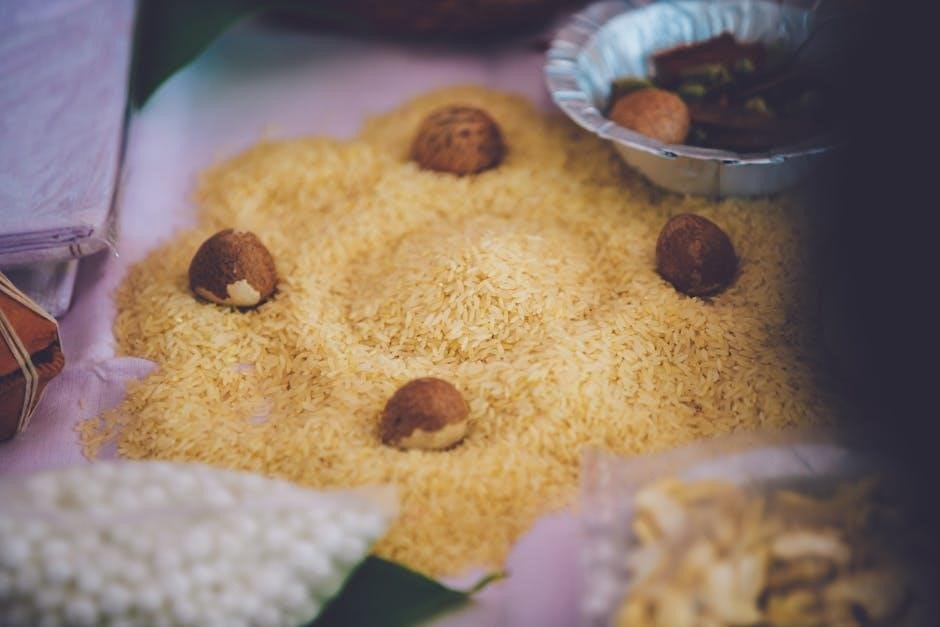
Satyanarayana Pooja necessitates specific items; Telugu PDF guides detail quantities like 100g pasupu (turmeric), 100g kakum, and 1kg vidipala (split green gram)․
Essential Items for the Ritual
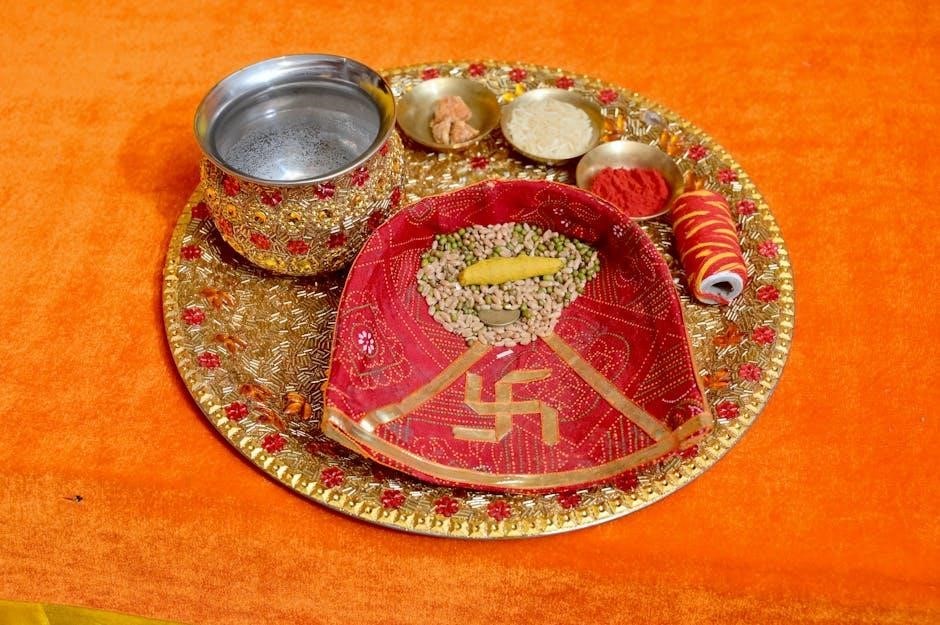
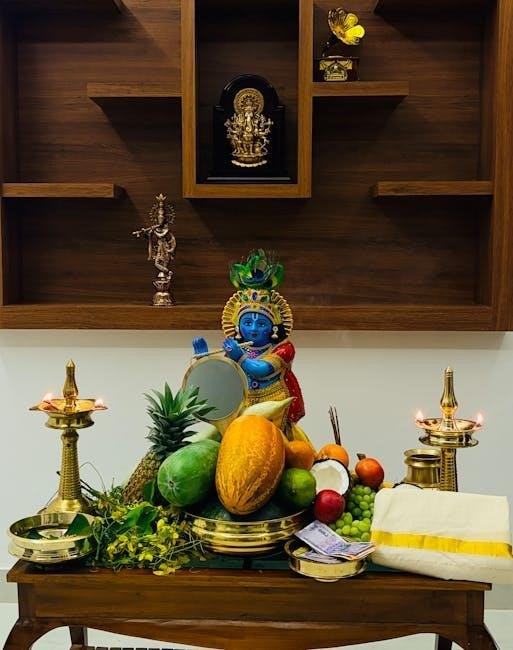
Performing Sri Satyanarayana Pooja requires a carefully curated collection of materials, often detailed within Telugu PDF resources like the Satyanarayana Swamy Vratha Kalpamu available online․ Core components include a clean Pooja space, typically a raised platform or table․ Essential offerings encompass rice (akshata), turmeric powder (pasupu), vermillion (kumkum), incense sticks (agarbatti), and a ghee lamp (deepam)․
Fruits, sweets, and flowers are integral for presenting to the deity․ Specific texts, accessible in PDF format, outline the necessity of vidipala (split green gram), kakum (jaggery), and banana leaves for creating the Pooja plate․ The Telugu PDFs also emphasize the importance of a clean cloth for draping the idol or picture of Lord Satyanarayana, ensuring a respectful and auspicious atmosphere for the ritual․
Specific Quantities of Materials (Pasupu, Kakum, Vidipala)
Telugu resources, particularly the Satyanarayana Swamy Vratha Kalpamu in PDF format, meticulously detail the required quantities for a proper Pooja․ Typically, approximately 100 grams of turmeric powder (pasupu) are needed, symbolizing auspiciousness and purity․ Jaggery (kakum) is also required in roughly 100 grams, representing sweetness and prosperity․
A significant amount of split green gram (vidipala) – around 1 kilogram – is essential, used in various offerings throughout the ritual․ These quantities, often found within downloadable Telugu PDFs, ensure the Pooja is performed according to traditional guidelines․ Variations may exist based on regional customs, but these figures serve as a standard reference point for devotees preparing for the ceremony․
Alternative Materials and Substitutions
Telugu PDF guides detailing the Satyanarayana Pooja Vidhanam sometimes acknowledge potential substitutions due to availability or personal preference․ While pasupu (turmeric) is central, some texts suggest using turmeric paste if powder isn’t readily available․ Similarly, if traditional jaggery (kakum) is scarce, refined sugar can be used as a temporary replacement, though it’s less auspicious․
Vidipala (split green gram) is harder to substitute directly, but in certain circumstances, other lentils might be considered with appropriate adjustments to the ritual․ However, these substitutions should be approached cautiously, referencing detailed Telugu resources to ensure adherence to the Pooja’s core principles and maintain its spiritual efficacy․
Step-by-Step Pooja Vidhanam (Procedure)
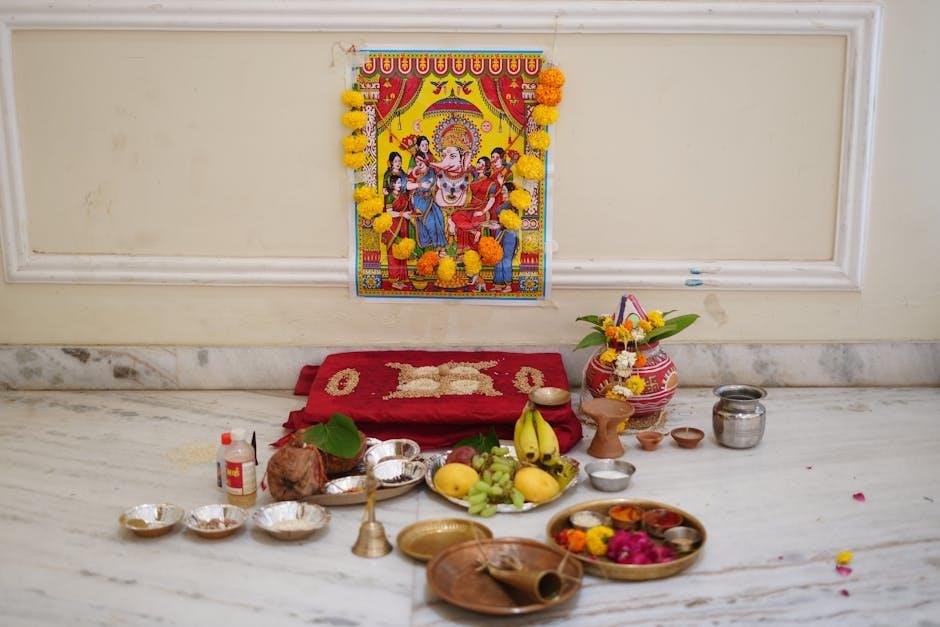
Telugu PDF texts outline a detailed Pooja Vidhanam, starting with space preparation, followed by invocations, and progressing through the five chapters of the Satyanarayana Katha․
Preparation of the Pooja Space
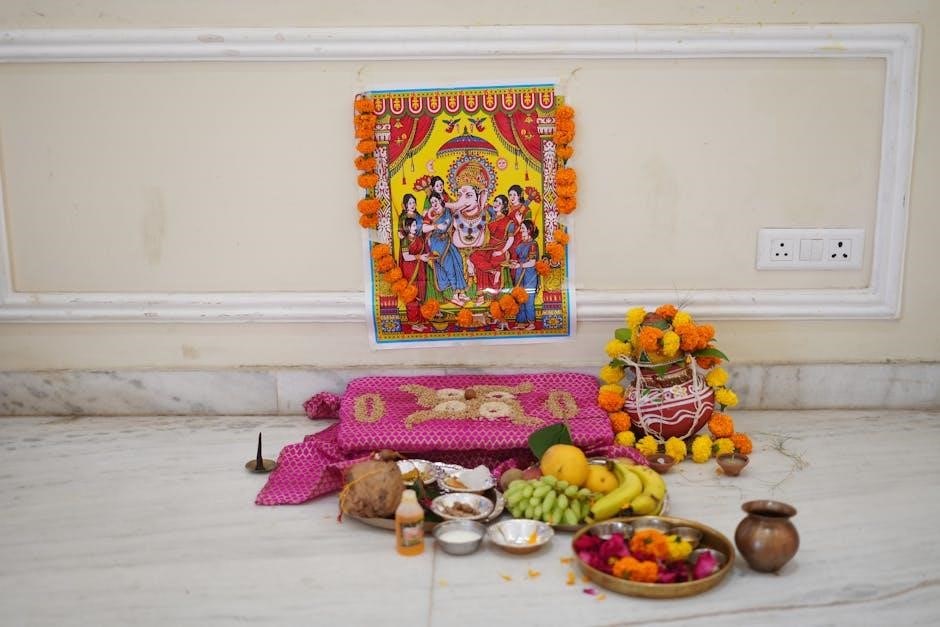
Preparing the pooja space, as detailed in Telugu PDF resources like those found on Vaidika Vignanam and Mulugu Website, is crucial․ Begin by thoroughly cleaning the designated area, often a raised platform or a clean floor space․ Traditionally, a mandap is decorated with fresh flowers, particularly marigolds, and colorful rangoli designs are created to welcome the divine presence․
A yantra representing Lord Satyanarayana is often drawn or placed centrally․ Ensure adequate lighting and a peaceful atmosphere․ The space should be free from distractions and conducive to focused devotion․ Materials like a clean cloth, brass or silver vessels for offerings, and incense sticks are arranged neatly․ Referencing a Telugu Vratha Kalpamu PDF will provide specific instructions regarding the placement of each item, ensuring adherence to traditional practices․
Invocation and Initial Offerings
Invocation and initial offerings, as outlined in Telugu PDF texts like the Satyanarayana Swamy Vratha Kalpamu, commence the pooja․ The priest or devotee begins by invoking Lord Ganesha to remove obstacles, followed by invoking other deities․ Initial offerings typically include water, sandalwood paste (chandanam), turmeric powder (pasupu – 100gr as specified in some texts), and red kumkum (kakum – 100gr)․
Flowers, incense, and a lit lamp (deepam) are also offered․ These offerings symbolize purity, devotion, and respect․ The devotee chants specific mantras, often found within the Telugu PDF guides, to purify the space and invite the divine presence․ A coconut, representing fullness and prosperity, is frequently offered as a symbolic gesture․
The Five Chapters (Adhyayams) of the Satyanarayana Katha
The Satyanarayana Katha, central to the pooja, is narrated through five distinct chapters (adhyayams)․ Telugu PDF resources, such as those available on Vaidika Vignanam and Mulugu Website, detail these narratives․ Each chapter presents a unique story illustrating the power and grace of Lord Satyanarayana․ These tales often involve devotees facing hardship and seeking divine intervention․
The stories emphasize the importance of truthfulness, devotion, and righteous conduct․ Recitation of these chapters, guided by texts in Telugu PDF format, is believed to bestow blessings and fulfill wishes․ The narratives are designed to inspire faith and demonstrate the Lord’s accessibility to all․
Satyanarayana Katha – The Story
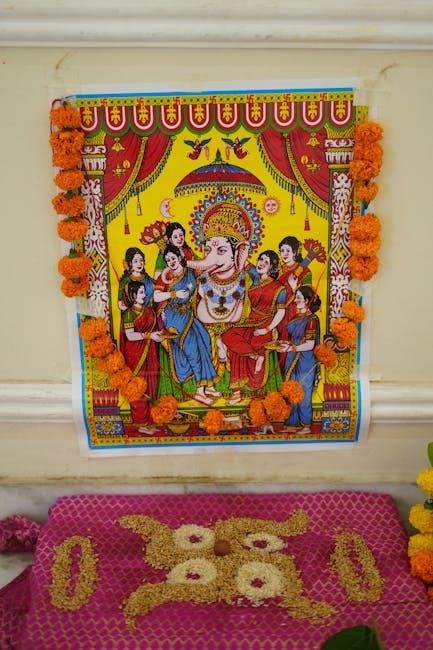
The Satyanarayana Katha, accessible in Telugu PDF texts, narrates five compelling stories showcasing Lord Satyanarayana’s blessings and devotees’ trials․
Chapter 1: The Initial Story and its Moral
The first chapter of the Satyanarayana Katha, readily found in Telugu PDF versions like those available on Vaidika Vignanam and Mulugu Website, details a poor Brahmin’s devotion․ He diligently performs the pooja, seeking Lord Satyanarayana’s aid․ Initially, the Lord tests his faith by appearing to grant riches, only to have them stolen by a deceitful individual․
Despite this setback, the Brahmin remains steadfast in his worship․ Lord Satyanarayana, impressed by his unwavering devotion, ultimately restores his wealth and punishes the thief․ This narrative emphasizes the importance of sincere devotion, patience, and unwavering faith in the face of adversity․ The Telugu PDFs often present this story in a simplified, accessible language – ADBHUTHAM AMOGHAM APOORVAM – making it easily understandable for all․
Chapter 2: The Second Tale and its Lesson
The second chapter, accessible within Telugu PDF texts of the Satyanarayana Katha – easily sourced from sites like Mulugu Website – narrates the story of a king troubled by numerous problems; He learns of the Satyanarayana Pooja and begins to perform it with sincerity․ However, his queen, driven by pride and arrogance, mocks the ritual and disrespects the deity․
As a consequence, the queen faces misfortune and suffering․ Recognizing her error, she humbly seeks forgiveness from Lord Satyanarayana․ The Lord, compassionate and forgiving, restores her well-being․ This tale underscores the significance of humility, respect, and the dangers of arrogance․ Telugu PDFs often simplify the narrative, ensuring its moral is clearly conveyed to devotees․
Chapter 3: The Third Story and its Significance
The third narrative, readily found within Telugu PDF versions of the Satyanarayana Katha – available on platforms like Vaidika Vignanam – details a merchant who faces shipwreck and hardship․ Lost at sea, he vows to perform the Satyanarayana Pooja upon his safe return․ Miraculously, he survives and is rescued, promptly fulfilling his promise․
However, his business partner, initially skeptical, attempts to deceive him regarding the profits․ Divine intervention exposes the partner’s dishonesty, and justice prevails․ This story emphasizes the importance of fulfilling vows, honesty in dealings, and unwavering faith in Lord Satyanarayana․ Simplified Telugu PDFs make this moral accessible to all․
Chapter 4: The Fourth Narrative and its Meaning
The fourth tale, easily accessible in Telugu PDF texts from sources like the Internet Archive and Mulugu Website, recounts a poverty-stricken Brahmin who struggles to support his family․ He undertakes the Satyanarayana Vratam with sincere devotion․ Through divine grace, he receives a miraculous golden vessel, alleviating his financial woes․
However, his wife, driven by greed, carelessly discards the vessel, leading to a reversal of fortune․ Recognizing their error, they repent and perform the Pooja again, restoring their prosperity․ This story underscores the dangers of greed, the power of sincere devotion, and the importance of gratitude, all detailed in readily available Telugu PDFs․
Chapter 5: The Final Chapter and Overall Message
The concluding chapter, found within numerous Telugu PDF resources like Vaidika Vignanam and the Mulugu Website, narrates a king’s initial disregard for the Satyanarayana Vratam․ Facing adversity, he eventually embraces the Pooja with humility and faith․ His kingdom is restored, highlighting the power of divine intervention․
The overall message emphasizes unwavering faith, truthful conduct, and selfless service․ The Satyanarayana Katha, comprehensively documented in accessible Telugu PDFs, teaches that devotion to Lord Vishnu brings prosperity and peace․ It’s a powerful reminder that sincerity and repentance are key to overcoming life’s challenges, as detailed in the Vratha Kalpamu․
Satyanarayana Pooja Songs and Bhajans
Numerous MP3 downloads of Pooja songs, including Pooja Vidhanam Part 1 & 2, are available online, complementing Telugu PDF texts for a complete experience․
Popular Songs for the Pooja
The Sri Satyanarayana Vratam Pooja Vidhanam features several beloved songs deeply intertwined with the ritual’s practice․ Purushothama Sai Gaana’s rendition is particularly popular, offering a complete MP3 experience spanning approximately 43 minutes and 51 seconds․ These devotional melodies enhance the spiritual atmosphere during the pooja, guiding devotees through each stage of the ceremony․
Many individuals utilize these songs alongside Telugu PDF texts, such as the Satyanarayana Swamy Vratha Kalpamu, readily available from sources like the Mulugu Website․ This combination of audio and textual guidance ensures a comprehensive and accurate performance of the pooja․ The songs often correspond directly to sections within the Vratha Kalpamu, aiding in proper invocation and offering sequences․
Finding these songs online allows for convenient access and integration into personal devotional practices, enriching the overall experience of the Satyanarayana Pooja․
Availability of MP3 Downloads
MP3 downloads of Sri Satyanarayana Vratam Pooja Vidhanam songs are readily accessible online, facilitating devotional practice․ Purushothama Sai Gaana’s complete rendition, including tracks like “Pooja Vidhanam Part 1” and “Pooja Vidhanam Part 2,” can be found through various digital platforms․ These audio resources complement Telugu PDF texts like the Satyanarayana Swamy Vratha Kalpamu, available on sites such as Mulugu Website․
Devotees often seek these downloads to enhance their pooja experience, allowing for synchronized chanting and a deeper connection to the ritual․ The availability of MP3s ensures accessibility for those preparing for or performing the Satyanarayana Pooja, regardless of location․
These digital resources support a more immersive and convenient devotional practice․
Pooja Vidhanam Part 1 & 2 Songs
Pooja Vidhanam Part 1 & 2 represent key segments within the Sri Satyanarayana Vratam Pooja Vidhanam musical compilation․ These songs, often sought alongside Telugu PDF resources like the Satyanarayana Swamy Vratha Kalpamu from sites like Mulugu Website, guide devotees through specific stages of the ritual․ Purushothama Sai Gaana’s rendition is particularly popular, offering a complete audio experience․
Part 1 typically covers the initial invocations and preparations, while Part 2 focuses on the core chanting and offerings․ Accessing these MP3 downloads enhances the pooja experience, aligning with the procedures detailed in the Telugu texts․
These songs are integral to a complete and fulfilling Satyanarayana Pooja․
Resources for Telugu PDF Texts
Satyanarayana Swamy Vratha Kalpamu PDFs are readily available online, notably from the Mulugu Website, alongside texts like Lingasthakam and Aditya Hrudayam․
Online Sources for Satyanarayana Swamy Vratha Kalpamu
Numerous online platforms provide access to the Satyanarayana Swamy Vratha Kalpamu in Telugu PDF format, catering to devotees seeking detailed guidance for performing the pooja․ The Mulugu Website stands out as a prominent resource, hosting a comprehensive collection of devotional eBooks․
These digital texts encompass not only the Vratha Kalpamu itself but also related stotras and mantras, such as Lingasthakam, Ayyappa Swamy Deeksha, and the powerful Aditya Hrudayam․ Furthermore, popular texts like the Hanuman Chalisa, Venkateswara Suprabhatam, Vajra Kavacham, and Mahalakshmi Stotram are also available for download․
Devotees can conveniently access these resources to deepen their understanding and enhance their spiritual practice․ These PDFs offer a valuable aid for those wishing to conduct the Satyanarayana Pooja accurately and with devotion․
Availability of eBooks on Mulugu Website
The Mulugu Website serves as a central repository for Telugu devotional eBooks, prominently featuring the Satyanarayana Swamy Vratha Kalpamu in accessible PDF format․ This online resource offers a diverse range of spiritual literature, catering to various devotional needs․
Beyond the core Vratha Kalpamu, devotees can find eBooks encompassing essential stotras and mantras․ These include texts like Lingasthakam, Ayyappa Swamy Deeksha, and the revered Aditya Hrudayam․ Popular choices such as the Hanuman Chalisa, Venkateswara Suprabhatam, Vajra Kavacham, and Mahalakshmi Stotram are also readily available․
The website’s user-friendly interface allows for easy navigation and download, making it a valuable asset for those seeking to deepen their connection with Satyanarayana Swamy․
Vaidika Vignanam and other Spiritual Literature Websites
Vaidika Vignanam presents a comprehensive collection of spiritual and devotional literature, spanning numerous Indian languages including Telugu․ This platform offers resources for devotees seeking information on Satyanarayana Pooja, potentially including relevant texts or links to downloadable PDFs․
The website’s strength lies in its multilingual approach, providing scriptures in Sanskrit, Samskrutam, Hindi, Kannada, Tamil, Malayalam, Gujarati, Bengali, Oriya, and English scripts․ While direct Satyanarayana Swamy Vratha Kalpamu PDFs might not always be immediately visible, Vaidika Vignanam often hosts related materials․
Exploring similar spiritual literature websites alongside Vaidika Vignanam can further enhance the search for Telugu PDF resources pertaining to this sacred pooja․
Madhwa Sampradaya and Pooja Vidhi
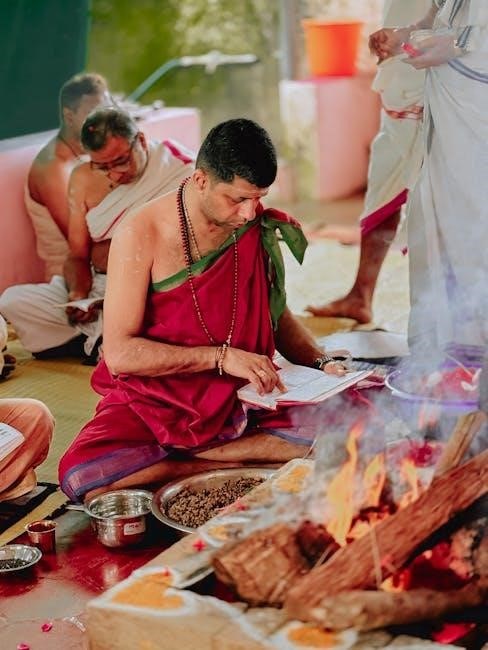
Kalpokta Madhwa Sampradaya procedures for Sri Satyanarayana Pooja are detailed in texts like those by P․ Vishnutirtha, available online․
Kalpokta Madhwa Sampradaya Procedures
Kalpokta Madhwa Sampradaya procedures for performing Sri Satyanarayana Pooja are meticulously outlined in traditional texts, offering a structured approach to the worship․ P․ Vishnutirtha’s writings, accessible through resources like the Internet Archive, detail these specific Vidhi (procedures)․ These texts emphasize adherence to scriptural injunctions, ensuring the ritual’s efficacy and spiritual significance within this particular Sampradaya․
The procedures cover aspects from the preparation of the Pooja space to the precise manner of offering prayers and performing the Katha recitation․ Finding Telugu PDF versions of these texts can aid devotees in understanding and correctly executing the Pooja according to Madhwa tradition․ These resources provide a valuable guide for those seeking a deeper connection with the deity and a more authentic worship experience․
Sri Satyanarayana Pooja Procedure as Described in Kalpa Texts
Kalpa texts, foundational to Vedic rituals, meticulously detail the Sri Satyanarayana Pooja procedure․ P․ Vishnutirtha’s work, available online, specifically outlines the Vidhi as prescribed within these ancient scriptures․ These texts emphasize precise adherence to established norms for offerings, mantras, and the recitation of the Satyanarayana Katha․
Devotees seeking authentic guidance can explore Telugu PDF versions of these Kalpa-based procedures․ These resources clarify the sequence of events, required materials (Pasupu, Kakum, Vidipala), and the correct pronunciation of hymns․ Understanding these details, as presented in the texts, is crucial for a spiritually fulfilling and traditionally accurate Satyanarayana Pooja experience, ensuring alignment with Vedic principles․