
Durga Saptashloki in Telugu PDF: A Comprehensive Guide (Updated March 25‚ 2026)
Accessing the sacred Durga Saptashloki in Telugu PDF format requires navigating online resources‚ potentially including the Internet Archive‚ seeking restored access to valuable texts.
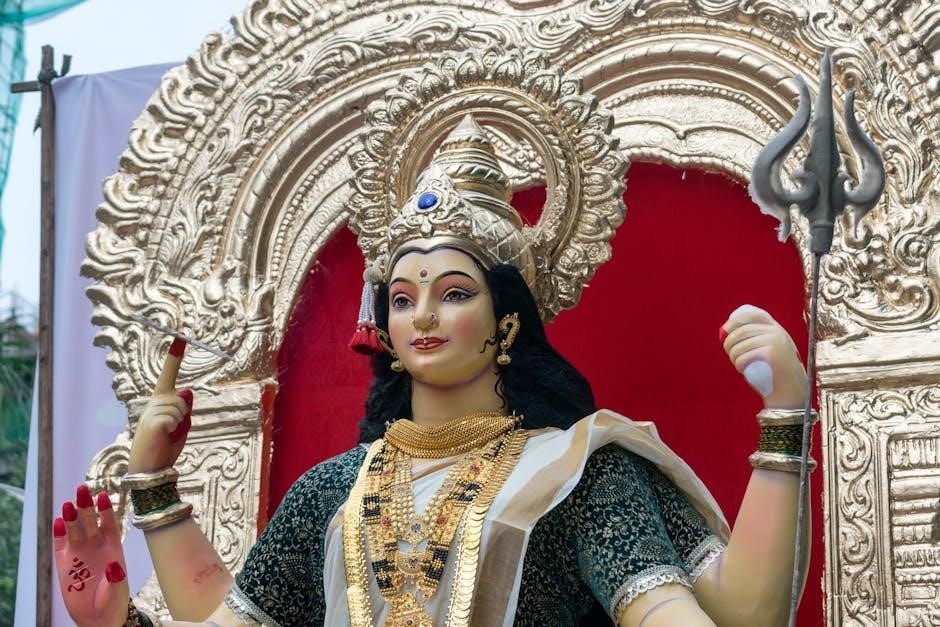
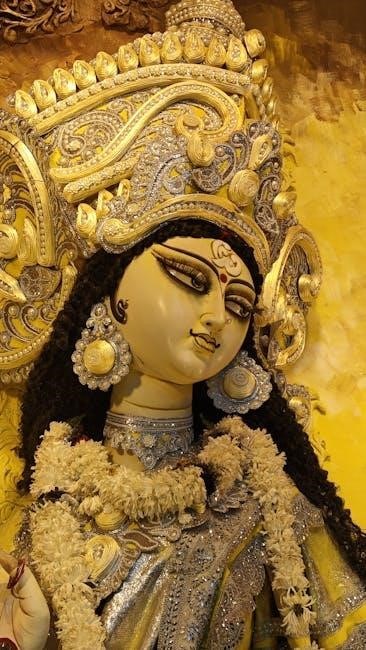
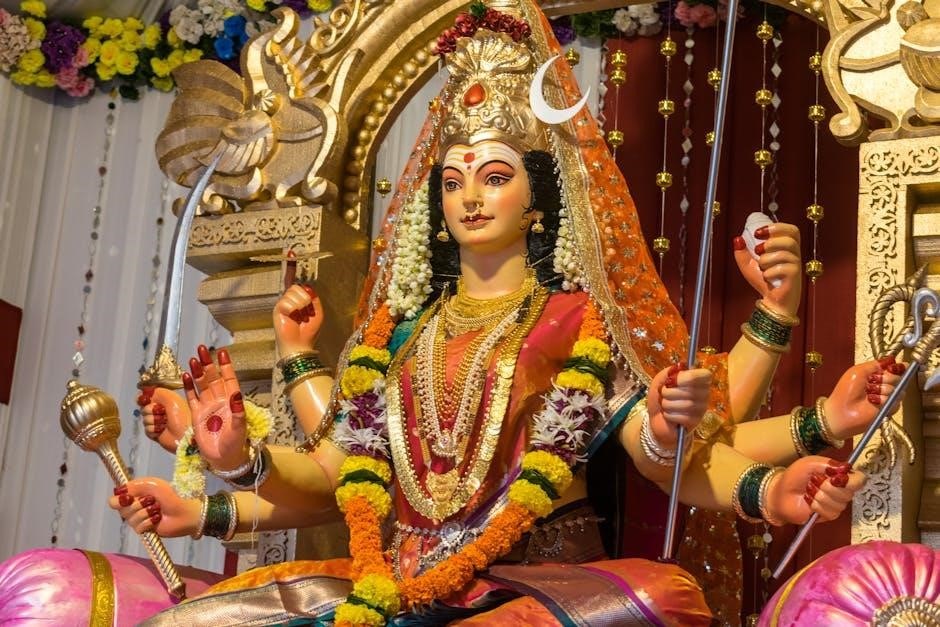
Durga Saptashloki‚ a revered hymn dedicated to the Divine Mother Durga‚ holds immense significance for devotees seeking blessings‚ protection‚ and spiritual upliftment. Its availability in Telugu‚ particularly in PDF format‚ expands access to this powerful scripture for a wider audience.
The increasing demand for Durga Saptashloki in Telugu PDF reflects a growing spiritual interest within the Telugu-speaking community. Many individuals prefer the convenience of digital access for personal study and recitation. However‚ sourcing reliable and accurate translations is crucial.
Currently‚ access to vast digital libraries‚ like those potentially impacted by publisher restrictions – referencing the need to restore access to 500‚000 books – highlights the challenges in preserving and distributing such sacred texts. Finding authentic Telugu PDFs requires careful navigation of online resources and a discerning approach to ensure the integrity of the content.
What is Durga Saptashloki?
Durga Saptashloki comprises seven powerful verses extolling the glory of Goddess Durga. These verses‚ though concise‚ encapsulate profound philosophical and spiritual truths. The Telugu PDF versions aim to make this potent hymn accessible to those who understand the language‚ fostering a deeper connection with the Divine Mother.
It’s not a standalone scripture but is often found as an appendix to the Devi Mahatmyam. The verses are believed to have been composed by Rishi Durvasa‚ and are a direct appeal to Durga for protection and fulfillment.
The availability of Durga Saptashloki in Telugu PDF format is particularly valuable‚ given the importance of correct pronunciation and understanding of the verses. However‚ like accessing any digital resource – mirroring concerns about restoring access to extensive online archives – verifying the authenticity of the translation is paramount.
The Significance of Reciting Durga Saptashloki
Reciting the Durga Saptashloki‚ particularly in Telugu via PDF resources‚ is believed to yield immense spiritual benefits. Devotees seek the Goddess’s blessings for protection from negativity‚ overcoming obstacles‚ and achieving overall well-being. The verses are considered a potent shield against adverse energies.
The Telugu translation allows for a more intimate connection with the verses‚ enhancing the meditative experience. Consistent recitation‚ even utilizing digital PDFs‚ is thought to cultivate inner strength and peace.
Access to these texts‚ like those potentially impacted by archive access issues‚ underscores the importance of preserving spiritual knowledge. The power lies not just in the words‚ but in the sincere devotion and understanding fostered through accessible translations‚ such as the Telugu PDF versions.
Origins and History
Tracing the Durga Saptashloki’s roots involves exploring ancient scriptures‚ potentially accessible through digital archives‚ and understanding its Telugu translation’s historical context.
The Scriptural Basis of Durga Saptashloki
The Durga Saptashloki‚ while a relatively concise hymn‚ doesn’t exist in isolation. Its foundations are deeply embedded within the larger framework of the Devi Mahatmyam‚ a crucial text within the Markandeya Purana. Understanding this connection is vital when seeking Telugu PDF versions‚ as commentaries often reference the broader narrative.
Specifically‚ the seven shlokas are extracted from various chapters of the Devi Mahatmyam‚ representing key moments in the Goddess Durga’s triumph over demonic forces. Accessing a Telugu PDF that includes the original Sanskrit alongside the translation‚ and perhaps excerpts from the Devi Mahatmyam‚ provides a richer understanding.
Furthermore‚ the hymn’s scriptural basis lends it authority and significance within Shakta traditions. Digital archives‚ like the Internet Archive‚ may hold scanned copies of related texts‚ aiding research into its origins and the nuances of its Telugu interpretations.
Connection to Devi Mahatmyam
The Durga Saptashloki isn’t a standalone scripture; it’s intrinsically linked to the Devi Mahatmyam. Finding a comprehensive Telugu PDF often means locating versions that acknowledge and even incorporate portions of the larger text. The Saptashloki represents a distilled essence of the Devi Mahatmyam’s power and narrative.
Each of the seven shlokas corresponds to specific verses within the Devi Mahatmyam‚ encapsulating pivotal moments of Durga’s battles and victories. A Telugu PDF with cross-references to these original verses enhances understanding.
Researchers utilizing digital archives‚ such as the Internet Archive‚ should explore resources related to the Devi Mahatmyam alongside the Saptashloki. This contextualization is crucial for accurate interpretation and appreciating the hymn’s profound spiritual weight. Translations frequently explain this connection‚ making a well-annotated PDF invaluable.
Historical Mentions and Authorship
Determining the precise authorship of the Durga Saptashloki remains a subject of scholarly debate‚ and Telugu PDF versions often include discussions on this point. While traditionally attributed to Adi Shankaracharya‚ concrete historical evidence is limited.
Early mentions appear within commentaries on the Devi Mahatmyam‚ suggesting its integration into established traditions centuries ago. Accessing digitized historical texts via platforms like the Internet Archive may reveal older references.
Telugu translations within PDF format frequently present various perspectives on authorship‚ acknowledging the lack of definitive proof. Some PDFs may detail the lineage of commentators who popularized the Saptashloki. Understanding this historical context enriches the reading experience and appreciation of the text’s enduring legacy.
The Seven Shlokas – Meaning and Interpretation
Telugu PDF versions offer detailed breakdowns of each Saptashloki verse‚ exploring their profound meanings and interpretations‚ often alongside scholarly commentaries.
The initial shloka‚ readily available in Telugu PDF translations‚ serves as a powerful invocation to the Divine Mother‚ Durga. These PDFs often present the original Sanskrit alongside a Telugu transliteration and a detailed meaning.
Typically‚ this first verse establishes the Goddess as the ultimate source of creation‚ preservation‚ and destruction. Telugu commentaries within the PDF resources emphasize Her all-encompassing nature and Her role as the embodiment of Shakti – divine energy.
Readers will find explanations detailing how this shloka sets the stage for the subsequent verses‚ preparing the devotee for a deeper connection with the Goddess. The Telugu PDFs frequently highlight the importance of understanding the Goddess’s various forms and attributes as introduced in this foundational verse‚ offering a rich understanding for practitioners.
Shloka 2: Seeking Protection and Blessings
This second shloka‚ commonly found within Telugu PDF versions of the Durga Saptashloki‚ is a heartfelt plea for divine protection and blessings. The Telugu translations often include word-by-word meanings to aid comprehension.
Devotees express their vulnerability and seek refuge in the Goddess’s compassionate embrace. PDF commentaries explain how this verse acknowledges human limitations and the necessity of divine grace;
The Telugu PDFs emphasize the importance of surrendering to the Goddess and trusting in Her ability to shield us from harm‚ both physical and spiritual. Many resources detail how consistent recitation of this shloka‚ understood through the Telugu context‚ fosters a sense of security and unwavering faith‚ leading to overall well-being.
Shloka 3: Describing the Goddess’s Power
The third shloka‚ readily available in Telugu PDF formats of the Durga Saptashloki‚ vividly portrays the immense power and glory of the Divine Mother. These PDFs frequently offer detailed explanations of the Sanskrit terms translated into Telugu.
It highlights Her dominion over the universe and Her capacity to vanquish evil. Commentaries within the Telugu PDFs emphasize that this isn’t merely physical strength‚ but a supreme‚ all-encompassing energy.
Devotees using Telugu resources learn how this shloka inspires courage and conviction. The power described isn’t distant; it’s accessible through devotion and sincere recitation. Understanding the nuances in the Telugu translation deepens appreciation for the Goddess’s boundless capabilities and Her role as the ultimate protector.
Shloka 4: The Goddess as the Ultimate Reality
Within Telugu PDF versions of the Durga Saptashloki‚ the fourth shloka presents a profound philosophical concept: the Goddess as the fundamental truth underlying all existence. Translations often include explanations rooted in Advaita Vedanta.
These PDFs clarify that the material world is an illusion (Maya)‚ and the Divine Mother is the sole‚ unchanging reality. Commentaries emphasize that recognizing this truth liberates one from suffering and cycles of rebirth.
Studying the Telugu interpretations reveals how the Goddess embodies both the manifested and unmanifested aspects of the universe. Devotees utilizing these resources gain insight into the non-dual nature of reality‚ fostering a deeper connection with the Divine and a detachment from worldly attachments.
Shloka 5: Seeking Refuge in the Goddess
Telugu PDF renditions of the Durga Saptashloki highlight the fifth shloka as a powerful plea for protection and surrender to the Divine Mother. Translations emphasize the devotee’s vulnerability and complete reliance on Her grace.
These digital texts often include interpretations explaining that seeking refuge isn’t merely asking for help‚ but a complete dissolving of the ego and acceptance of the Goddess’s will. Commentaries detail the importance of unwavering faith.
Readers accessing these PDFs discover that the shloka encourages relinquishing control and trusting in the Goddess’s ability to navigate life’s challenges. It’s presented as a pathway to inner peace and liberation from fear‚ fostering a profound sense of security.
Shloka 6: The Goddess’s Benevolence
Within Telugu PDF versions of the Durga Saptashloki‚ the sixth shloka beautifully illustrates the Goddess’s boundless compassion and nurturing nature. Translations consistently emphasize Her role as a mother figure‚ showering blessings upon Her devotees.
Commentaries found within these digital texts explain that this shloka isn’t simply about receiving gifts‚ but about recognizing the inherent goodness and love that permeates the universe‚ embodied by the Divine Mother.
Readers will find interpretations detailing how the Goddess’s benevolence manifests in various forms – protection‚ prosperity‚ and spiritual growth. The Telugu PDFs often highlight the importance of gratitude and selfless service as a response to Her grace‚ fostering a reciprocal relationship.
Shloka 7: Conclusion and Gratitude
The final shloka of the Durga Saptashloki‚ as presented in Telugu PDF resources‚ serves as a powerful culmination of devotion and heartfelt thankfulness. Translations emphasize a complete surrender to the Goddess and an acknowledgement of Her supreme power.
Telugu commentaries within these PDFs often detail the importance of expressing genuine gratitude‚ not merely as a formality‚ but as a vital component of spiritual practice. This shloka encourages devotees to internalize the Goddess’s blessings and integrate them into daily life.
Many digital versions include explanations on how reciting this concluding verse with sincerity can dissolve remaining obstacles and pave the way for lasting peace and fulfillment. It’s a potent affirmation of faith.
Durga Saptashloki in Telugu – Availability and Resources
Finding Telugu PDF versions involves exploring digital archives and religious websites; access may require supporting initiatives like restoring online book collections.
Finding Durga Saptashloki in Telugu PDF Format
Locating a reliable Durga Saptashloki PDF in Telugu necessitates a focused online search. Given current digital access challenges‚ as highlighted by initiatives to restore access to vast online libraries‚ finding a freely available‚ high-quality PDF might require patience. Start with searches using specific keywords like “Durga Saptashloki Telugu PDF download‚” and explore websites dedicated to Hindu scriptures and devotional materials.
Be cautious of unfamiliar websites and prioritize sources known for accuracy and authenticity. The Internet Archive‚ when fully accessible‚ is a potential resource‚ but currently faces access limitations. Consider exploring digital libraries maintained by Telugu-speaking communities or religious organizations. Remember to verify the PDF’s completeness and clarity before relying on it for recitation or study. Supporting digital preservation efforts can help ensure continued access to these important texts.
Reliable Websites for Telugu PDF Downloads
Identifying trustworthy sources for downloading the Durga Saptashloki in Telugu PDF format is crucial. While direct recommendations are challenging given fluctuating online access – mirroring issues faced by archives striving to restore 500‚000 books – several avenues warrant exploration.
Websites specializing in Hindu scriptures‚ like those offering stotras and mantras‚ often host Telugu translations. Look for sites affiliated with established temples or spiritual organizations. Beware of sites with excessive advertising or unclear origins. Digital libraries focused on Telugu literature may also contain the text. Remember that the Internet Archive‚ when fully operational‚ is a valuable resource. Prioritize sites with clear copyright information and a reputation for providing accurate religious texts. Always scan downloaded files for viruses before opening them.
Popular Telugu Translations and Commentaries
Several Telugu translations of the Durga Saptashloki exist‚ each offering a unique perspective on this powerful hymn. Identifying the “most popular” is subjective‚ often depending on regional preference and scholarly endorsement. Some translations prioritize literal accuracy‚ while others focus on poetic rendering and accessibility.
Commentaries (bhashyas) by respected Telugu scholars are invaluable for deeper understanding. These often explain the symbolism‚ etymology‚ and philosophical underpinnings of each shloka. Searching for translations associated with prominent Hindu institutions or gurus can increase confidence in their authenticity. Given the challenges faced by digital archives in restoring access to texts‚ locating detailed information on specific commentaries online may require dedicated research and potentially consulting with Telugu-speaking religious authorities.
Benefits of Recitation and Practice
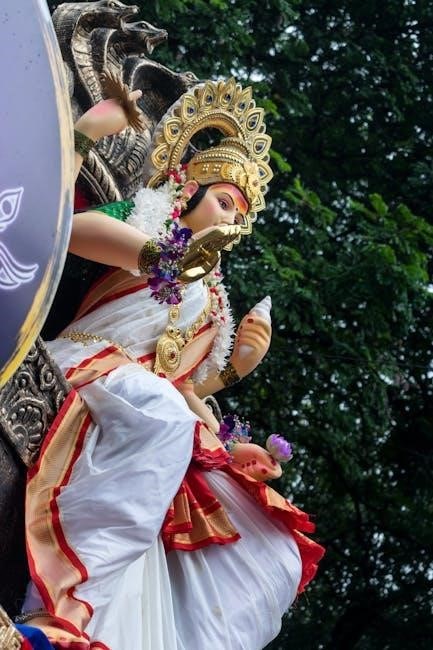
Chanting the Durga Saptashloki‚ even in PDF format‚ is believed to yield spiritual growth‚ improved well-being‚ and overcome life’s obstacles effectively.
Spiritual Benefits of Chanting
Regularly reciting the Durga Saptashloki‚ whether through a Telugu PDF or other means‚ is profoundly transformative on a spiritual level. The sacred verses are believed to awaken the divine feminine energy – Shakti – within the practitioner‚ fostering a deeper connection to the Goddess Durga.
This practice cultivates inner peace‚ reduces mental clutter‚ and enhances self-awareness. Consistent chanting purifies the heart‚ dissolving negative karmas and promoting spiritual evolution. The powerful vibrations of the shlokas are said to create a protective shield‚ warding off negative energies and fostering a sense of divine grace.
Accessing the text in Telugu PDF format allows for focused study and internalization of the mantras‚ deepening the spiritual experience. It’s a pathway to realizing one’s true nature and attaining liberation. The devotion inherent in the recitation unlocks inner potential and fosters a life aligned with dharma.
Benefits for Health and Well-being
Beyond the spiritual realm‚ consistent recitation of the Durga Saptashloki‚ readily accessible via Telugu PDF resources‚ offers tangible benefits for overall health and well-being. The rhythmic chanting acts as a natural stress reliever‚ calming the nervous system and reducing anxiety.
The focused concentration required during recitation improves mental clarity and cognitive function. It’s believed to balance the chakras‚ promoting the free flow of energy throughout the body‚ which can alleviate physical ailments.
Furthermore‚ the positive affirmations embedded within the shlokas cultivate a sense of optimism and resilience‚ bolstering the immune system. Utilizing a Telugu PDF allows for convenient and consistent practice‚ integrating this powerful tool into daily life for holistic health. It fosters emotional stability and a greater sense of vitality.
Remedial Aspects – Overcoming Obstacles
The Durga Saptashloki‚ conveniently found in Telugu PDF format‚ serves as a potent remedial practice for overcoming life’s obstacles. Its recitation is believed to dismantle negative energies and karmic blockages hindering progress.
Individuals facing challenges – be they financial‚ relational‚ or health-related – can utilize the shlokas to invoke the protective energy of Durga Devi. Consistent chanting‚ guided by a Telugu PDF‚ creates a shield against adversity and fosters inner strength.
The verses are particularly effective in neutralizing the effects of malefic planetary influences‚ as per Vedic astrology. By regularly engaging with the text‚ practitioners cultivate a mindset of courage and determination‚ enabling them to navigate difficulties with grace and resilience. It’s a powerful tool for transformation.
How to Recite Durga Saptashloki
Proper Telugu pronunciation‚ found within accessible PDFs‚ is key; recite during auspicious times‚ enhancing the spiritual impact of this powerful‚ devotional practice.
Proper Pronunciation in Telugu
Achieving accurate pronunciation of Durga Saptashloki in Telugu is paramount for effective recitation. Telugu PDFs often include transliterations alongside the original script‚ aiding those unfamiliar with the language. However‚ relying solely on written forms can be insufficient.
Listening to recordings of native Telugu speakers chanting the shlokas is highly recommended. Many online resources and downloadable PDFs may offer audio accompaniments. Pay close attention to the subtle nuances of each syllable‚ the correct intonation‚ and the proper articulation of sounds unique to Telugu.
Consider seeking guidance from a Telugu-speaking priest or scholar experienced in Vedic chanting. They can provide personalized feedback and corrections‚ ensuring your pronunciation aligns with traditional practices. Consistent practice‚ coupled with attentive listening and expert guidance‚ will gradually refine your ability to recite the Durga Saptashloki with clarity and devotion.
Recommended Time and Frequency of Recitation
Optimal times for reciting the Durga Saptashloki in Telugu are traditionally linked to specific periods of the day and lunar cycles. Dawn (Brahmamuhurta) and dusk (Sandhyakala) are considered particularly auspicious‚ fostering a conducive atmosphere for spiritual practice.
Many devotees prefer reciting during Navaratri‚ a nine-night festival dedicated to the Divine Mother‚ amplifying the shloka’s potency. The frequency of recitation varies based on individual capacity and intention. Daily recitation is highly beneficial‚ even if it’s just one shloka.
For intensified results‚ reciting the complete Saptashloki multiple times a day‚ or during specific lunar phases‚ is recommended. Consistency is key; regular practice‚ even for a short duration‚ yields greater spiritual rewards than sporadic‚ lengthy sessions. Telugu PDF resources may offer guidance on specific timings;
Rituals and Practices Associated with Recitation
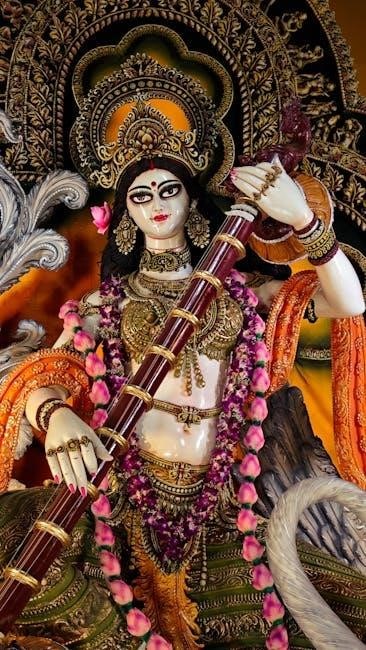
Enhancing the recitation of Durga Saptashloki in Telugu often involves specific rituals. Creating a clean and sacred space‚ perhaps with a small altar adorned with flowers and a picture of Goddess Durga‚ is common. Offering incense and a lit lamp (diya) symbolizes purification and devotion.
Many practitioners perform a simple purification ritual before beginning‚ including washing hands and feet. Some choose to offer fruits or sweets as a symbolic gesture of gratitude. Reciting the shlokas with proper pronunciation‚ as guided by Telugu PDF resources‚ is crucial.
Following recitation‚ expressing gratitude to the Goddess is essential. This can involve a silent prayer or a prostration. Maintaining a focused and devotional mindset throughout the practice amplifies its benefits‚ fostering a deeper connection with the Divine Mother.