Chainsaw Mill Guide Rails: A Comprehensive Guide
Chainsaw mill guide rails are essential for achieving straight, accurate cuts when milling lumber from logs. Systems like VEVOR and DIY options, utilizing angle iron or Unistrut, enhance precision and stability.
Chainsaw mill guide rails represent a pivotal advancement in portable milling, transforming rough logs into usable lumber with remarkable accuracy. Traditionally, milling demanded substantial, fixed equipment; however, guide rails empower woodworkers and homesteaders to bring the mill to the wood, offering flexibility and cost-effectiveness. These rails provide a straight, level surface for the chainsaw mill to travel along, mitigating the inherent challenges of freehand cutting.
The core function of these rails is to maintain consistent depth and alignment throughout the cut, resulting in uniformly sized boards. Systems range from commercially available options like the VEVOR rail mill guide, praised for its robust construction and ease of installation, to customizable solutions built from readily available materials such as angle iron or Unistrut. Understanding the principles behind guide rail systems is crucial for anyone venturing into portable milling, ensuring both safety and optimal results. They are a game changer for woodworking projects.
Why Use Guide Rails with a Chainsaw Mill?
Employing guide rails with a chainsaw mill dramatically improves cutting precision and efficiency. Without rails, achieving consistently straight and level cuts is incredibly difficult, leading to wasted material and potentially unsafe working conditions. Guide rails ensure the chainsaw mill glides smoothly, minimizing operator fatigue and maximizing control.
Furthermore, rails enhance the quality of the milled lumber. They reduce the risk of binding or pinching, resulting in cleaner cuts and more accurate dimensions. Systems like VEVOR’s are designed for high stability, preventing unwanted movement during operation. DIY rail systems, constructed from angle iron or Unistrut, offer a cost-effective alternative without sacrificing performance. Ultimately, guide rails transform a challenging task into a manageable and rewarding process, enabling users to produce professional-quality lumber with relative ease and safety.
Types of Chainsaw Mill Guide Rail Systems
Several chainsaw mill guide rail systems cater to diverse needs and budgets. Angle iron rail systems represent a popular, economical choice, easily fabricated from readily available materials at most hardware stores. These systems offer robust support and are suitable for various log sizes.
Unistrut rail systems provide a more adjustable and versatile option. Constructed from standardized metal framing, Unistrut rails allow for easy customization to accommodate differing log diameters. The VEVOR system is a pre-fabricated solution, known for its ease of installation and durable construction, often recommended alongside the Granberg Alaskan MKIII.
DIY enthusiasts frequently build custom rails using either angle iron or Unistrut, tailoring the system to their specific requirements. Each type prioritizes stability and accurate guidance, ensuring efficient and precise lumber milling.
Angle Iron Rail Systems
Angle iron rail systems stand out as a cost-effective solution for those constructing their own chainsaw mill rail setup. Easily sourced from hardware stores, angle iron offers a readily available and affordable material for building sturdy rails. The process involves cutting the angle iron to the desired lengths and securely welding them together to form a straight, rigid track.
This DIY approach allows for customization based on log size and milling needs. While requiring welding skills, angle iron rails provide excellent support and stability during operation. Many woodworkers choose this method to avoid the higher costs of pre-fabricated systems, achieving professional results with a hands-on approach.
Proper welding and alignment are crucial for ensuring a smooth and accurate cut. These rails are a dependable foundation for chainsaw milling, offering a balance of affordability and performance.
Unistrut Rail Systems
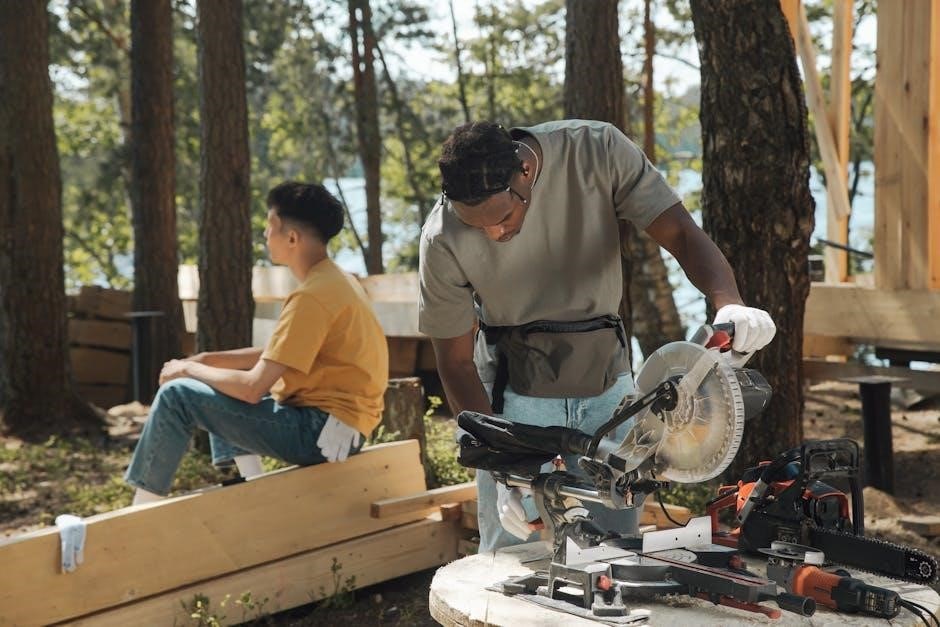
Unistrut rail systems present a versatile and adjustable alternative for chainsaw mill guide rails. Constructed from pre-fabricated, standardized metal framing, Unistrut offers a robust and adaptable solution for milling logs of varying diameters. A key advantage lies in its ability to be easily modified and expanded, utilizing allthread rod to connect sections.
This modular design allows woodworkers to create rails that can be widened or narrowed to accommodate different log sizes, enhancing flexibility. Cutting Unistrut into shorter lengths, as some users do, further increases adaptability for milling shorter logs. The system’s inherent strength and rigidity contribute to stable and accurate cuts.
While potentially more expensive upfront than angle iron, Unistrut’s adjustability and ease of assembly make it a popular choice for serious milling enthusiasts.
VEVOR Chainsaw Mill Rail Guide: Features and Benefits
The VEVOR chainsaw mill rail guide is designed for high stability and ease of use, featuring a robust framework secured with anti-loosening nuts and large washers. This ensures a smooth and steady glide for your electric chainsaw, resulting in precise lumber cuts. Installation is remarkably straightforward, requiring only four simple steps with provided accessories and instructions.
Users consistently praise the solid, well-built construction of the VEVOR system, noting its ease of setup – dispelling the myth that chainsaw milling is complicated; The guide’s design allows for leveling with an internal hexagon, ensuring accurate cuts.
Many recommend pairing the VEVOR rail with the Granberg Alaskan MKIII Chainsaw Mill for optimal performance. It’s a top-rated option for both professionals and DIY enthusiasts seeking durability and accuracy.
Stability and Durability of VEVOR Rails
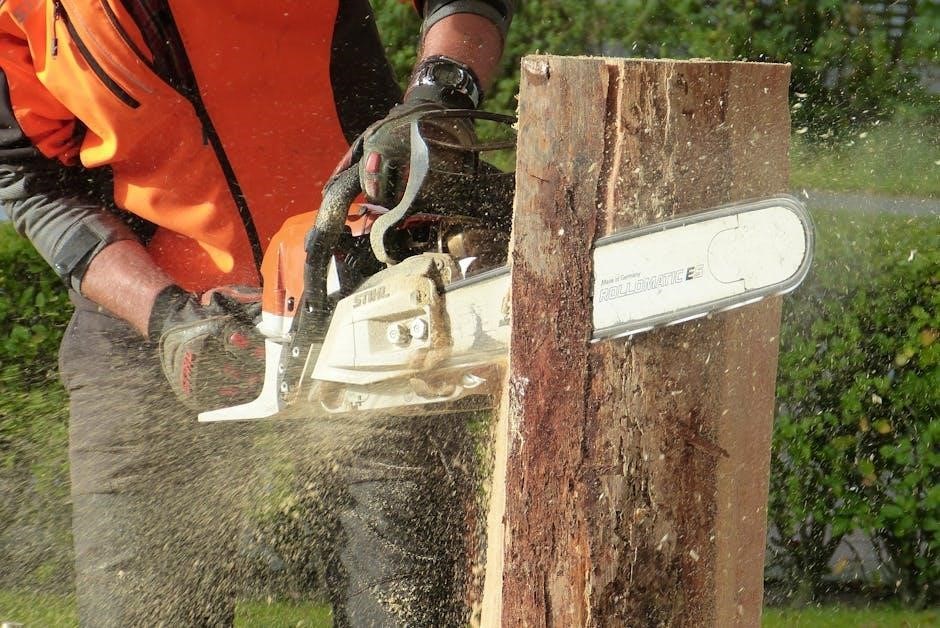
VEVOR chainsaw mill rails are engineered for exceptional stability, a critical factor for accurate milling. The robust framework, coupled with the secure fastening system of anti-loosening nuts and large washers, minimizes wobble and vibration during operation. This construction ensures the chainsaw glides smoothly and consistently along the log, preventing deviations that lead to uneven cuts.
Durability is another key benefit; the rails are built to withstand the rigors of repeated use in demanding environments. Users highlight the solid, well-built feel of the system, indicating a high-quality construction that resists bending or breaking under stress.
This inherent stability and durability translate directly into cleaner, more precise cuts and a longer lifespan for the rail system itself, making it a worthwhile investment for serious woodworkers.

Ease of Installation and Operation
VEVOR chainsaw mill rail guides are designed with user-friendliness in mind, boasting a remarkably simple installation process. Assembly requires just four straightforward steps, aided by comprehensive instructions and included installation accessories. This quick setup minimizes downtime and allows users to begin milling efficiently.
Operation is equally intuitive. Once the rails are secured to the log using nails and leveled with an internal hexagon wrench, attaching the electric chainsaw is a seamless process. The system’s design facilitates smooth, controlled cuts, even for those new to chainsaw milling.
Many users report a surprisingly easy setup experience, dispelling the notion that chainsaw mill systems are complicated. The focus on simplicity makes VEVOR rails accessible to both professionals and DIY enthusiasts.
Granberg Alaskan MKIII and Rail Compatibility
The Granberg Alaskan MKIII Chainsaw Mill is frequently recommended for use in conjunction with dedicated rail systems, enhancing its already impressive capabilities. Many users specifically purchase rail guides with the intention of maximizing the Alaskan MKIII’s performance and achieving professional-grade results.
Rail systems, like those offered by VEVOR, provide the necessary stability and straightness for longer, more accurate cuts when paired with the Alaskan MKIII. They address the inherent challenges of freehand milling, ensuring consistent depth and preventing wandering.
The combination allows for efficient milling of various wood types and sizes, transforming rough logs into valuable lumber. Investing in a compatible rail system unlocks the full potential of the Granberg Alaskan MKIII, making it a powerful tool for both hobbyists and professionals.
Building Your Own Chainsaw Mill Rails: Cost-Effective Solutions
Constructing your own chainsaw mill rails presents a significant cost-saving alternative to purchasing pre-fabricated systems. Utilizing readily available materials like angle iron or Unistrut allows resourceful woodworkers to create robust and effective guides for a fraction of the price.
One popular approach involves assembling rails from 20-foot sections of HD Unistrut, connected with allthread rod. This design offers adjustability to accommodate varying log diameters, enhancing versatility. For shorter logs, halving the Unistrut sections further increases practicality.
DIY rail construction requires basic metalworking skills – cutting and potentially welding angle iron – but the financial benefits are substantial. A resourceful builder can create a 9-foot rail system for considerably less than commercially available options, proving that precision milling doesn’t necessitate a large investment.
Materials Needed for DIY Rail Construction
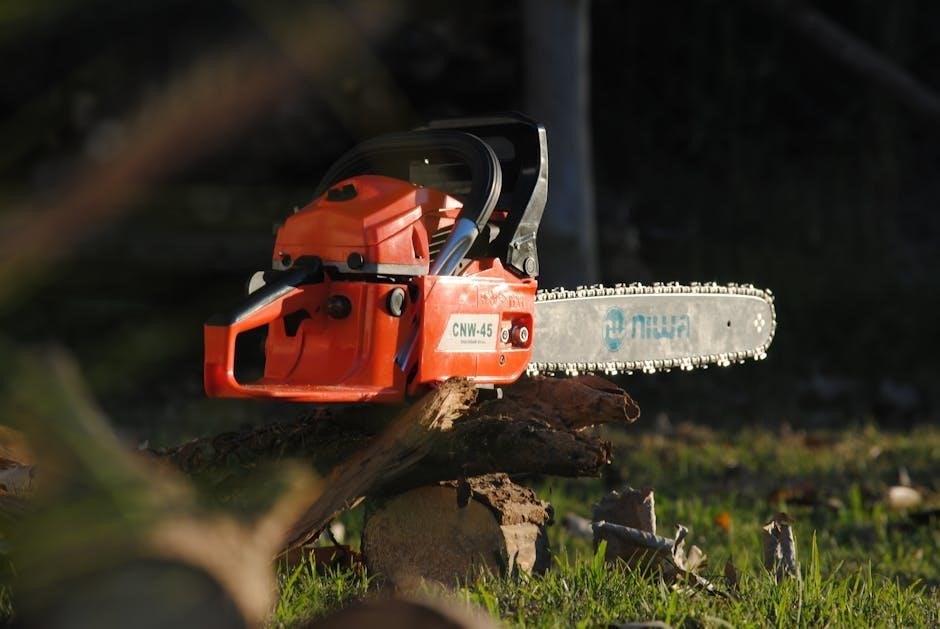
Embarking on a DIY chainsaw mill rail project requires gathering specific materials for a successful build. For angle iron systems, you’ll need angle iron itself – typically 20-foot lengths – along with welding equipment, cutting tools (like an angle grinder or metal-cutting saw), and appropriate safety gear.
Alternatively, Unistrut-based rails demand HD Unistrut sections, allthread rod for adjustability, nuts, and washers. Internal hexagon wrenches are crucial for leveling and securing the system. Don’t forget nails to fix the rails to the wood during operation.
Regardless of the chosen method, a level is essential for ensuring accurate cuts. Depending on the scale of your project, you might also need metal primer and paint to protect against rust and corrosion, extending the lifespan of your homemade rails. Detailed assembly instructions are also highly recommended.
Cutting and Welding Angle Iron Rails
Constructing angle iron rails begins with precise cutting. Measure and cut the angle iron to the desired lengths, ensuring square cuts for a stable rail system. An angle grinder with a metal cutting disc or a metal-cutting saw are effective tools for this task. Prioritize safety by wearing appropriate eye and face protection.
Once cut, welding the pieces together forms the rail structure. Proper welding technique is crucial for creating strong, durable joints. Ensure the welds are clean and fully fused to prevent failure during milling. Consider welding in a well-ventilated area and using appropriate safety equipment, including a welding helmet and gloves.
After welding, inspect the rails for any imperfections and grind down any sharp edges. Applying a metal primer and paint will protect the rails from rust and corrosion, extending their lifespan and maintaining their structural integrity.
Assembling Unistrut Rail Systems
Unistrut rail systems offer adjustability and ease of assembly. Begin by cutting the Unistrut to the required lengths, similar to angle iron, prioritizing accurate, square cuts. Utilize a metal-cutting saw for clean results and always wear safety glasses.

The key to Unistrut’s versatility lies in its slotted design. Connect the sections using all-thread rod, passing it through the slots to create a robust and adjustable rail. This allows for accommodating varying log diameters, a significant advantage over fixed systems.
Tighten the nuts securely on the all-thread rod, ensuring the rails are rigid and level. For shorter logs, consider cutting the Unistrut sections in half, maximizing usability. Regularly inspect the connections and re-tighten as needed during operation to maintain stability and precision throughout the milling process.
Adjustable Rail Systems for Varying Log Diameters
Adjustable rail systems are crucial when milling logs of different sizes, eliminating the need for multiple fixed setups. Unistrut rails excel in this area, utilizing all-thread rod passed through slotted channels to widen or narrow the rail span.
This adjustability allows the rails to securely cradle logs of varying diameters, ensuring consistent contact and preventing unwanted movement during the milling process. Properly adjusted rails contribute significantly to straight, accurate cuts and minimize wasted lumber.
Systems like those built with HD Unistrut allow for quick adjustments; simply loosen the nuts on the all-thread, reposition the rails, and re-tighten. For short logs, halved Unistrut sections can be rejoined with the all-thread, offering further flexibility. Maintaining a snug fit between the log and rails is paramount for optimal performance.
Rail Length Considerations for Different Log Sizes
Rail length is a critical factor in chainsaw milling, directly impacting stability and cut quality. For shorter logs, utilizing shorter rail sections – even halved Unistrut pieces – provides enhanced maneuverability and reduces unnecessary weight and complexity.
Conversely, longer logs demand appropriately extended rails to maintain consistent support throughout the entire cut; A minimum rail length exceeding the log’s diameter is generally recommended, with longer rails offering superior stability, especially for larger diameter logs.
Consider building rails in modular sections, allowing for easy combination to accommodate varying log lengths. A common approach involves 9-foot rails, but adapting the length based on typical log sizes is essential. Proper support and leveling are vital, regardless of rail length, to prevent binding and ensure accurate milling.
Short Log Milling Solutions
Milling short logs presents unique challenges, often requiring adaptable guide rail setups. Utilizing shorter rail sections, like those created by cutting Unistrut in half, significantly improves maneuverability and control when working with logs under eight feet in length.
These halved sections can be rejoined with allthread rods for versatility, allowing the system to adjust to different log diameters. This modular approach minimizes wasted material and simplifies the milling process for smaller projects.
Focus on ensuring the rails are securely fastened and level, even with reduced length. Stability is paramount to prevent binding and achieve clean, accurate cuts. A well-supported, shorter rail system can be just as effective as a longer one, offering a practical solution for smaller-scale lumber production.
Long Log Milling Solutions
Milling long logs demands robust and precisely aligned guide rail systems to maintain consistent cutting performance. Utilizing multiple rail sections, securely connected, is crucial for supporting the entire length of the log and ensuring a straight cut.
Systems built with extended angle iron or Unistrut rails, like the 12-rail setup some users construct, provide the necessary stability for longer timbers. Proper leveling across all rail sections is paramount; even slight inconsistencies can accumulate over the log’s length, resulting in inaccurate boards.
Consider the weight distribution and support points along the rails to prevent sagging or flexing. Regularly inspect connections and tighten as needed. A well-constructed, long rail system transforms challenging log milling into a manageable and efficient process, yielding high-quality lumber.
Ensuring Rail Leveling and Stability During Milling
Maintaining perfect rail level is paramount for accurate cuts. Utilize a spirit level frequently throughout the setup and milling process, checking across multiple points along the rail’s length. Uneven ground requires shimming or a solid foundation to prevent rail distortion.
Securely fasten rails to the log using appropriate clamping mechanisms, preventing movement during operation; The VEVOR rail mill guide utilizes anti-loosening nuts and large washers for enhanced stability. Regularly inspect these connections and tighten as needed.
Consider the log’s natural curvature and adjust rail supports accordingly. A stable setup minimizes vibrations and ensures the chainsaw glides smoothly, resulting in consistent board thickness and a professional finish. Prioritizing leveling and stability directly translates to higher-quality lumber;
Maintenance and Care of Chainsaw Mill Guide Rails
Regular maintenance extends the lifespan and performance of your chainsaw mill guide rails. After each use, thoroughly clean rails to remove sawdust, debris, and resin buildup, which can impede smooth operation. Inspect for any signs of damage, such as bends, cracks, or loose connections.
For angle iron rails, check weld points and re-weld if necessary. Unistrut systems require inspection of allthread rod connections, ensuring they remain tight. Lubricate rails periodically with a suitable metal lubricant to reduce friction and prevent rust.
Store rails in a dry, protected environment to prevent corrosion. Properly maintained rails guarantee consistent accuracy and contribute to the longevity of your entire chainsaw milling setup, saving you money and frustration in the long run.