
Article Plan: Insurance Inspection Form Alberta PDF (as of 12/22/2025)
Today, December 22, 2025, this article details the Alberta Insurance Inspection Form (FSRP11463)․ It covers requirements for vehicles 12+ years old, completed by Certified Automotive Technicians, and used for insurance underwriting․
The form’s purpose is to assess vehicle condition, and recent amendments clarify its use․ Resources like pdfFiller offer fillable versions․
Alberta’s vehicle insurance inspections are a crucial component of maintaining road safety and ensuring vehicles meet minimum standards․ As of today, December 22, 2025, these inspections, documented using forms like the FSRP11463, play a vital role in the insurance underwriting process․ These inspections aren’t a universal requirement for all vehicles; rather, they are specifically mandated for older vehicles – those 12 years or older – as determined by the Alberta Superintendent of Insurance․
The primary goal of these inspections is to assess the structural and mechanical integrity of a vehicle․ This assessment is performed by a Certified Automotive Technician, ensuring a professional and standardized evaluation․ The inspection isn’t a general roadworthiness test like periodic safety inspections in some other jurisdictions․ Instead, it focuses on factors relevant to insurance risk, helping insurers determine appropriate coverage and premiums․
Resources like pdfFiller provide access to the Alberta Insurance Inspection Form in a fillable, printable format, streamlining the process for technicians and vehicle owners․ Understanding the purpose and requirements of these inspections is essential for anyone owning or operating a vehicle in Alberta, particularly as it ages․ The form itself has undergone revisions to clarify its intended use – solely for insurance underwriting – addressing previous confusion․
The inspection process is governed by the Insurance Act, section 803, and is continually updated to reflect current safety standards․
Purpose of the Insurance Inspection Report (VIR)
The Insurance Inspection Report (VIR), specifically form FSRP11463, serves a distinct and focused purpose within Alberta’s vehicle insurance framework․ It is not a general road safety inspection, but rather a tool utilized by insurance underwriters to assess the condition of vehicles, particularly those 12 years or older․ The core function of the VIR is to evaluate potential risks associated with insuring a vehicle, considering its structural and mechanical state․

Recent amendments, as highlighted by the Financial Sector Regulation and Policy Office, have explicitly clarified that the VIR is solely for insurance underwriting purposes․ This change aims to eliminate confusion regarding its application and prevent its misuse as a substitute for standard safety inspections․ The report provides insurers with detailed information about the vehicle’s condition, enabling them to make informed decisions regarding coverage and premiums․
The VIR assists in identifying pre-existing damage or potential mechanical issues that could impact the vehicle’s safety and increase the likelihood of claims․ Completed by a Certified Automotive Technician, the report offers a professional assessment, ensuring consistency and reliability․ Utilizing platforms like pdfFiller for accessing and completing the form further streamlines this crucial insurance process, ensuring accurate data collection․
Ultimately, the VIR contributes to a fairer and more accurate insurance system in Alberta․
When is an Inspection Required?
Determining when an Alberta Insurance Inspection Report (VIR), form FSRP11463, is necessary is straightforward․ As per the Alberta Superintendent of Insurance’s approval, an inspection is required only if the vehicle is 12 years or older․ This age is calculated based on the vehicle’s original manufacturing year, not its registration year․

Vehicles newer than 12 years do not necessitate a VIR for insurance purposes․ However, it’s crucial to note that this doesn’t exempt them from standard safety inspections required for registration or transfer of ownership․ The VIR is specifically triggered by the vehicle’s age as a risk assessment measure for insurers․
Furthermore, the requirement applies regardless of whether the vehicle is being newly insured, or if there’s a change in coverage․ If a vehicle meets the age criterion, the insurance provider will mandate a completed VIR from a Certified Automotive Technician before issuing or modifying a policy․ Resources like pdfFiller provide access to the form, but the inspection itself must be performed by a qualified technician․
Understanding this age-based requirement is key for vehicle owners and insurance applicants in Alberta․
Vehicle Age and Inspection Necessity
The cornerstone of Alberta’s insurance inspection requirement revolves around the vehicle’s age․ Specifically, the Alberta Superintendent of Insurance dictates that a Motor Vehicle Inspection Report (VIR), form FSRP11463, is mandatory for vehicles that are 12 years old or older․ This isn’t a discretionary rule; it’s a firm criterion for insurance underwriting․
Calculating the vehicle’s age is based on the year of its original manufacture; This means the model year, not the year it was first registered, determines if an inspection is needed․ A vehicle manufactured in 2013, for example, would require an inspection in 2025․
This age-based necessity stems from the increased potential for mechanical issues and safety concerns in older vehicles․ Insurers utilize the VIR to assess these risks before providing coverage․ The inspection, completed by a Certified Automotive Technician, provides a standardized evaluation of the vehicle’s condition․
Forms are readily available online via platforms like pdfFiller, but the inspection itself must be conducted professionally․ Ignoring this requirement can lead to insurance application denials or policy cancellations․
The Role of the Certified Automotive Technician
The Certified Automotive Technician plays a pivotal role in Alberta’s vehicle insurance inspection process․ The Alberta Superintendent of Insurance explicitly mandates that only a technician holding this certification can legally complete the FSRP11463 form – the Automobile Insurance Motor Vehicle Inspection Report․
This isn’t merely a formality․ Certified technicians possess the necessary training and expertise to thoroughly assess a vehicle’s structural, mechanical, and safety components․ They are equipped to identify potential issues that could impact vehicle safety and reliability, directly influencing insurance risk assessment․
Section 3, 4, and 5 of the FSRP11463 form require detailed evaluation by the technician, covering areas like frame integrity, brake systems, and safety equipment functionality․ Their professional judgment is crucial in determining whether a vehicle meets the required standards․
Technicians are responsible for accurately completing the inspection report, ensuring all sections are filled out truthfully and comprehensively․ Their signature validates the inspection’s integrity, and their findings directly impact the vehicle owner’s insurance options․
Obtaining the Alberta Insurance Inspection Form (FSRP11463)
The Alberta Insurance Inspection Form, officially designated FSRP11463 (Automobile Insurance Motor Vehicle Inspection Report), is readily accessible for Certified Automotive Technicians needing to perform insurance inspections․ While not directly downloadable from a single official Alberta Government webpage as of today, December 22, 2025, several avenues provide access․
pdfFiller is a prominent online resource offering a fillable and printable version of the FSRP11463 form․ This platform allows for convenient electronic completion, signing, and downloading, eliminating the need for paper-based processes․ Other online legal form repositories may also host the document․
Technicians can also typically obtain the form directly from their employer, as many automotive repair shops maintain a stock for insurance inspection purposes․ It’s crucial to ensure the form used is the most current revision – Rev․ 2018-07 is a noted version – to comply with Alberta’s regulations․
Always verify the form’s authenticity and that it bears the approval of the Alberta Superintendent of Insurance, as stated on the document itself․
Where to Find the PDF Version of the Form
Locating the PDF version of the Alberta Insurance Inspection Form (FSRP11463) is straightforward, though a direct government download link isn’t immediately apparent as of December 22, 2025․ The most reliable method is through online legal form services․
pdfFiller consistently appears as a primary source, offering a readily available, fillable PDF․ Users can access, complete, and download the form directly from their platform․ A quick online search for “FSRP11463 PDF” will also yield results from various document-sharing websites, but verifying the source’s legitimacy is crucial․
While the Financial Sector Regulation and Policy Office doesn’t host the downloadable form, their documentation confirms its existence and purpose․ Automotive repair shops routinely have the form available for technicians․
Ensure the downloaded PDF is the official Automobile Insurance Motor Vehicle Inspection Report approved by the Alberta Superintendent of Insurance․ Look for the revision date (currently Rev․ 2018-07) to confirm you’re using the most up-to-date version․
Key Sections of the FSRP11463 Form
The Alberta Insurance Inspection Form (FSRP11463) is meticulously structured to ensure a comprehensive vehicle assessment․ Section 1: Vehicle Information requires detailed specifics – VIN, make, model, year, and odometer reading – establishing the vehicle’s identity․
Section 2: Inspection Details captures the date of inspection and the Certified Automotive Technician’s information, ensuring accountability․ The core of the form lies in Sections 3, 4, and 5, dedicated to inspecting Structural Components, Mechanical Components, and Safety Equipment respectively․
Section 3 focuses on frame integrity and body condition․ Section 4 covers critical mechanical systems like brakes, steering, and suspension․ Section 5 assesses safety features – lights, tires, seatbelts – vital for roadworthiness․
The form also includes space for noting any Out of Service items or Required Attention repairs․ Technicians must clearly document all findings, as this report directly impacts insurance underwriting decisions․ Accurate completion of each section is paramount․
Section 1: Vehicle Information
Section 1 of the FSRP11463 form, dedicated to Vehicle Information, is the foundational element of the Alberta insurance inspection process․ This section demands precise details to uniquely identify the vehicle undergoing assessment․ The Vehicle Identification Number (VIN) is a critical entry, serving as the primary identifier․
Alongside the VIN, the form requires the vehicle’s make, model, and year of manufacture․ Accurate recording of this information ensures correct vehicle categorization for insurance purposes․ Furthermore, the current odometer reading must be documented, providing a record of the vehicle’s usage․
Completing this section thoroughly is crucial․ Any discrepancies or omissions can lead to delays or rejection of the inspection report․ This information establishes the vehicle’s history and current condition, forming the basis for subsequent inspection sections․ It’s the starting point for a comprehensive assessment․
The Alberta Superintendent of Insurance approves this form, emphasizing the importance of accuracy․

Section 2: Inspection Details ─ Date and Technician
Section 2 of the FSRP11463 form focuses on Inspection Details, specifically recording the date of inspection and the Certified Automotive Technician’s information․ This section establishes accountability and provides a clear timeline for the assessment․
The technician must clearly document the date the inspection was performed, ensuring a verifiable record․ Crucially, the technician’s name, certification number, and signature are required․ This confirms that a qualified professional conducted the inspection, adhering to Alberta’s standards․
The technician’s details are vital for verification purposes․ The Alberta Superintendent of Insurance mandates this information to ensure the integrity of the inspection process․ Accurate completion of this section is non-negotiable, as it directly impacts the validity of the entire inspection report․
Without proper technician identification, the report may be deemed incomplete or unreliable, potentially delaying insurance coverage or renewal․
Section 3: Structural Components Inspection
Section 3 of the Alberta Insurance Inspection Form (FSRP11463) meticulously details the inspection of a vehicle’s structural components․ This is a critical area, as structural integrity directly impacts safety and is a key factor in insurance underwriting․
Technicians must assess the vehicle’s frame for any signs of damage, including bends, cracks, or corrosion․ Body panels are examined for rust, dents, and previous repairs․ The inspection extends to unibody construction, if applicable, ensuring it hasn’t been compromised․
Specific attention is given to areas prone to structural weakness, such as suspension mounting points and safety cage components․ The technician documents any observed defects, categorizing them based on severity․ This section requires a detailed visual inspection, and any noted issues must be clearly documented on the form․
Findings in this section heavily influence the vehicle’s overall assessment and potential insurance eligibility․
Section 4: Mechanical Components Inspection
Section 4 of the Alberta Insurance Inspection Form (FSRP11463) focuses on the vehicle’s vital mechanical systems․ This comprehensive assessment ensures these components function safely and reliably, directly influencing insurance risk assessment․
The inspection covers the engine, checking for leaks, excessive wear, and proper operation․ The transmission is evaluated for smooth shifting and any unusual noises․ Drivetrain components, including the differential and axles, are inspected for damage and leaks․
Braking systems receive meticulous attention, examining brake lines, rotors, pads, and overall functionality․ The steering system is assessed for play, responsiveness, and component integrity․ Suspension components, such as shocks, struts, and springs, are checked for wear and damage․
Technicians must document any mechanical defects observed, categorizing them by severity․ Accurate and detailed reporting in this section is crucial for a comprehensive vehicle evaluation and subsequent insurance decisions․

Section 5: Safety Equipment Inspection
Section 5 of the Alberta Insurance Inspection Form (FSRP11463) meticulously evaluates the vehicle’s safety equipment, a critical aspect of risk assessment for insurance providers․ This section ensures essential safety features are present and functioning correctly, protecting occupants and other road users․
The inspection includes a thorough check of seatbelts – ensuring proper functionality, condition, and secure mounting․ Airbags are verified for proper deployment indicators and absence of tampering․ Windshield wipers and washers are tested for effective operation, crucial for visibility․
Headlights, taillights, and turn signals are examined for proper illumination and functionality․ The horn is tested to confirm its audibility․ Mirrors are inspected for clarity and secure attachment․ Technicians also assess the vehicle’s defroster and hazard lights․
Any deficiencies in safety equipment must be clearly documented on the form․ This section’s accuracy is paramount, as compromised safety features directly impact insurance eligibility and premiums․
CVSA Failure Rate Calculation
The Commercial Vehicle Safety Alliance (CVSA) Failure Rate is a key metric derived from vehicle inspections, including those conducted for Alberta insurance purposes using the FSRP11463 form․ This rate provides insight into a vehicle’s overall safety condition and potential risks․
The calculation, as outlined in resources like pdfFiller, involves a specific formula: (0․25 x the number of Out of Service inspections + the number of Required Attention inspections) divided by the total number of inspections․
“Out of Service” inspections indicate critical defects immediately prohibiting vehicle operation․ “Required Attention” flags issues needing correction within a specified timeframe․ A higher CVSA Failure Rate signals a greater prevalence of safety defects․
While primarily used for commercial vehicles, understanding this rate is beneficial for interpreting inspection results․ It helps assess the vehicle’s safety profile and potential impact on insurance underwriting․ A consistently high rate may lead to increased scrutiny or premium adjustments․
Accurate record-keeping of inspection types is crucial for a correct CVSA Failure Rate calculation․
Out of Service Inspections and Required Attention
During an Alberta vehicle insurance inspection utilizing the FSRP11463 form, a Certified Automotive Technician categorizes defects as either “Out of Service” or “Required Attention․” These classifications significantly impact a vehicle’s operational status and insurance eligibility․

“Out of Service” defects are critical safety violations that immediately render a vehicle unsafe to operate․ These necessitate immediate repair before the vehicle can legally be driven․ Examples include severely compromised brakes or steering components․ An “Out of Service” designation triggers immediate action․
“Required Attention” defects, while not immediately disabling, still pose safety concerns and require correction within a defined period․ These might include minor lighting issues or worn tires․ Technicians specify the timeframe for repair․
The number of each type of defect directly influences the CVSA Failure Rate, a key metric for assessing vehicle safety․ Accurate documentation of these classifications on the inspection form is vital for insurance underwriting and ensuring road safety․ Both classifications are crucial for a comprehensive vehicle assessment․
Understanding these distinctions is essential for vehicle owners and technicians alike․

Completing the Inspection Report ‒ Technician Responsibilities
Certified Automotive Technicians bear significant responsibility when completing the Alberta Insurance Inspection Report (FSRP11463); Accuracy and thoroughness are paramount, as the report directly impacts insurance underwriting and vehicle safety․
Technicians must meticulously inspect all sections outlined in the form – structural, mechanical, and safety components – documenting their findings clearly and concisely․ Each identified defect must be categorized appropriately as “Out of Service” or “Required Attention,” with specific details noted․
Proper completion includes accurately recording the vehicle information, inspection date, and technician details․ Any ambiguity or uncertainty should be clarified before finalizing the report․ Technicians are expected to adhere to established inspection standards and guidelines․
The technician’s signature affirms the accuracy and completeness of the inspection․ Maintaining objectivity and avoiding conflicts of interest are crucial․ The completed form serves as an official record of the vehicle’s condition, influencing its insurability and roadworthiness․
Professionalism and diligence are expected throughout the entire process․
Submitting the Completed Inspection Form
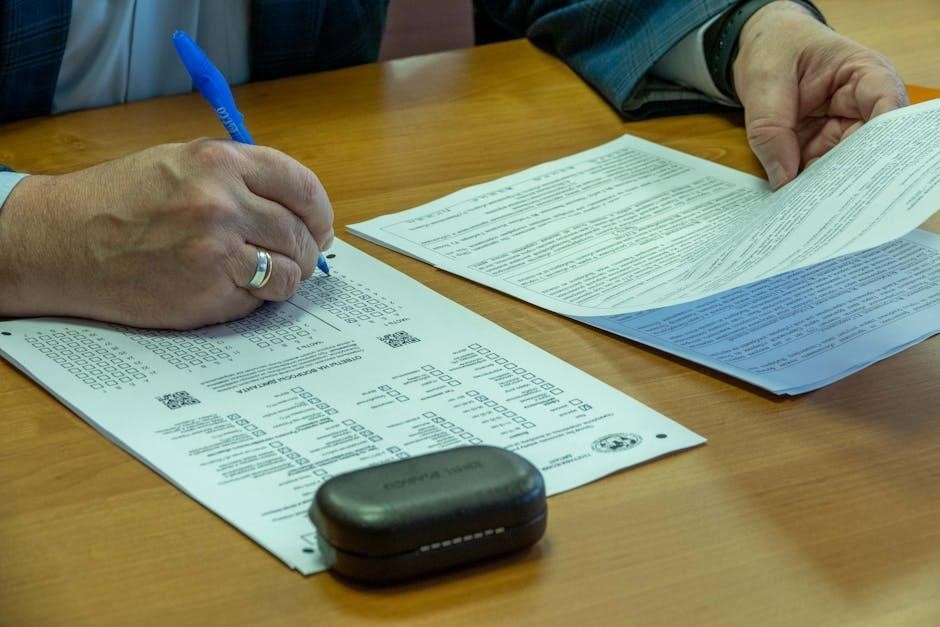
Once the Certified Automotive Technician has meticulously completed the Alberta Insurance Inspection Report (FSRP11463), the form must be submitted according to established procedures․ While the provided information doesn’t detail where to submit, understanding the process is vital․
Typically, the completed form is provided to the vehicle owner or the insurance provider․ It’s crucial to retain a copy for the technician’s records, serving as proof of inspection․ Some insurance companies may have specific submission methods, such as electronic uploads or mail-in requirements․
Ensure the form is legible and all required fields are filled accurately․ Any alterations or erasures should be initialed and dated by the technician․ Prompt submission is essential to avoid delays in the insurance process․
The Alberta Superintendent of Insurance approves this form, emphasizing its importance in underwriting․ Following proper submission protocols ensures compliance and facilitates a smooth insurance application or renewal process․
Confirm the preferred submission method with the relevant insurance provider to guarantee timely processing․
Insurance Underwriting and the VIR

The Vehicle Inspection Report (VIR), specifically form FSRP11463, plays a critical role in the insurance underwriting process in Alberta․ Insurance providers utilize the VIR to assess the mechanical and structural condition of vehicles, particularly those 12 years or older․
This assessment directly impacts insurance eligibility and premium calculations․ A satisfactory VIR demonstrates the vehicle meets minimum safety standards, potentially leading to favorable insurance rates․ Conversely, identified deficiencies may result in higher premiums or require repairs before coverage is granted․
Recent amendments to the VIR explicitly state its purpose is for insurance underwriting only, aiming to eliminate previous confusion․ This clarification reinforces its importance to insurers․
Underwriters carefully review the technician’s findings, focusing on structural integrity, mechanical functionality, and safety equipment․ The CVSA failure rate, calculated from Out of Service and Required Attention inspections, provides a key indicator of vehicle condition․
Ultimately, the VIR assists insurers in accurately evaluating risk and ensuring responsible vehicle operation on Alberta roads․
Amendments to the VIR Form ‒ Clarification of Purpose
Recent revisions to the Alberta Vehicle Inspection Report (VIR), form FSRP11463, have focused on explicitly defining its intended use: insurance underwriting․ The Financial Sector Regulation and Policy Office initiated these changes to address ambiguity and streamline the inspection process․
Previously, some stakeholders misinterpreted the VIR’s purpose, leading to inconsistencies in its application․ The amendment clearly states the report is solely for insurers to assess vehicle condition for coverage eligibility and premium determination․
This clarification doesn’t alter the inspection criteria or the technician’s responsibilities․ Certified Automotive Technicians continue to evaluate structural, mechanical, and safety components according to established standards․
However, it reinforces that the VIR is not a general vehicle fitness assessment for road use․ It’s specifically tailored to insurance risk evaluation․ This distinction is crucial for both technicians completing the report and insurers interpreting the results․
The amendment aims to improve efficiency and consistency within the Alberta vehicle insurance system, ensuring the VIR serves its intended purpose effectively․
Contact Information for Questions and Clarification
For inquiries regarding the Alberta Insurance Inspection Form (FSRP11463) and its application, several resources are available to provide assistance․ Technicians, insurers, and vehicle owners can seek clarification on inspection requirements, form completion, or policy interpretations․
The primary contact point is the Financial Sector Regulation and Policy Office․ Specifically, the Manager can be reached at (780) 415-8556 for detailed questions about the VIR and recent amendments․
Additional support can be found through the Alberta Superintendent of Insurance, responsible for approving and overseeing the form’s use․ While a direct contact number isn’t publicly advertised, inquiries can be directed through the Financial Sector Regulation and Policy Office․
Furthermore, pdfFiller, a platform offering the form, may provide technical support related to filling and submitting the PDF version․ However, they won’t address questions about the inspection process itself․
It’s recommended to have the form number (FSRP11463) readily available when contacting these resources to expedite the assistance process․