
Hand blenders‚ also known as immersion or stick blenders‚ are versatile kitchen tools simplifying food preparation. They efficiently puree‚ mix‚ and chop directly in pots or bowls.
Initially designed for soup pureeing‚ modern hand blenders offer diverse functions‚ becoming essential for home cooks seeking convenience and efficiency.
These appliances provide a streamlined alternative to bulky traditional blenders‚ saving counter space and reducing cleanup time for everyday culinary tasks.
What is a Manual Hand Blender?
A manual hand blender‚ frequently called an immersion blender or stick blender‚ is a compact‚ handheld kitchen appliance designed for versatile food preparation. Unlike traditional blenders with a fixed jar‚ a hand blender features a motor and rotating blades at one end of a long shaft;
This design allows you to immerse the blender directly into pots‚ pans‚ or bowls‚ enabling efficient pureeing‚ mixing‚ chopping‚ and emulsifying; It’s a convenient tool for creating smooth soups‚ sauces‚ smoothies‚ and baby food‚ directly within the cooking vessel.
Its portability and ease of cleaning make it a popular choice for quick and simple kitchen tasks‚ offering a streamlined alternative to larger‚ more cumbersome appliances.
History and Evolution of Hand Blenders
The hand blender’s origins trace back to the need for convenient soup pureeing‚ initially created to simplify this task directly in the cooking pot. Early models‚ emerging in the 20th century‚ were relatively basic‚ focusing primarily on this single function.
Over time‚ manufacturers innovated‚ adding variable speed settings and diverse attachments like whisks and choppers‚ expanding their capabilities beyond pureeing. Cordless and rechargeable models emerged‚ offering greater portability and freedom of movement.
Today’s hand blenders boast powerful motors‚ ergonomic designs‚ and advanced features‚ solidifying their position as essential‚ multi-functional kitchen tools.

Types of Manual Hand Blenders
Hand blenders come in corded‚ cordless‚ and rechargeable varieties‚ each offering unique advantages. Immersion blenders differ from traditional blenders in design and application.
Choosing the right type depends on individual needs‚ prioritizing power‚ portability‚ or convenience for various kitchen tasks.
Corded Hand Blenders
Corded hand blenders represent the traditional and often most powerful option‚ delivering consistent performance for demanding tasks. They plug directly into an electrical outlet‚ providing uninterrupted power during extended use‚ ideal for pureeing large batches of soup or creating complex sauces.
While lacking the portability of cordless models‚ corded blenders typically boast higher wattage‚ ensuring efficient blending of tough ingredients. Brands like Braun and Philips offer robust corded options‚ frequently featuring multiple speed settings and durable construction.
These blenders are a reliable choice for cooks who prioritize power and don’t mind being tethered to an outlet.
Cordless Hand Blenders
Cordless hand blenders offer unparalleled freedom and convenience‚ eliminating the restriction of a power cord. Powered by rechargeable batteries‚ these models allow blending anywhere in the kitchen‚ making them perfect for tasks away from outlets‚ like crafting smoothies directly in a travel mug.
KitchenAid is a prominent brand in this category‚ offering models with impressive battery life and power. While generally less powerful than corded versions‚ advancements in battery technology are continually improving their performance.
Cordless blenders prioritize portability and ease of use‚ ideal for smaller tasks and quick blending needs.
Rechargeable Hand Blenders
Rechargeable hand blenders represent a subset of cordless models‚ specifically highlighting their power source. These blenders utilize rechargeable batteries‚ offering the convenience of cord-free operation without relying on constant battery replacements. They provide flexibility for various kitchen tasks‚ from pureeing soups to creating quick sauces.
The appeal lies in their portability and ease of use‚ allowing blending directly in pots or containers without being tethered to an electrical outlet. Battery technology improvements are enhancing their power and runtime.
Investing in a quality rechargeable blender offers a practical solution for efficient food preparation.
Immersion Blenders vs. Traditional Blenders
Immersion blenders‚ or stick blenders‚ differ significantly from traditional countertop blenders in design and application. Traditional blenders require transferring ingredients to a fixed jar‚ while immersion blenders operate directly within pots‚ pans‚ or bowls.
This direct immersion simplifies tasks like pureeing soups or making sauces‚ reducing cleanup. Countertop blenders excel at larger batches and tasks needing consistent‚ high power‚ like smoothies.
Immersion blenders are more compact and versatile for smaller jobs‚ offering convenience and space-saving benefits.
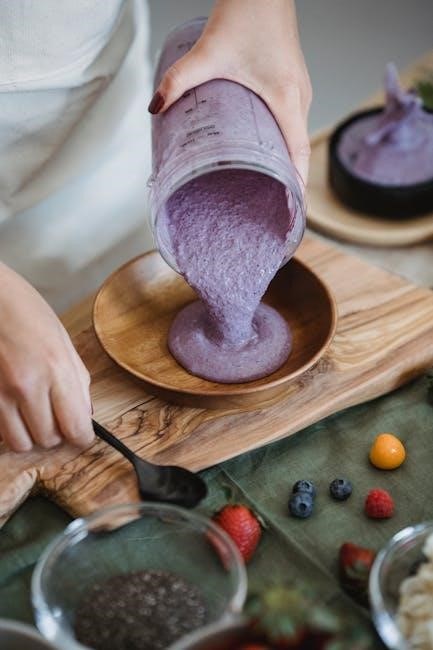
Key Features to Consider
Selecting a hand blender requires evaluating power‚ speed settings‚ and included attachments. These features determine versatility and efficiency for various kitchen tasks.
Consider wattage‚ variable speeds‚ and the availability of whisks‚ choppers‚ or mashers to suit your culinary needs effectively.
Power and Wattage
Power and wattage are crucial factors when choosing a manual hand blender‚ directly impacting its performance and ability to handle tougher ingredients. Generally‚ higher wattage equates to more powerful blending capabilities.
Models range from around 200W to over 1200W. Lower wattage blenders (200-500W) are suitable for softer foods like soups and sauces‚ while mid-range (500-800W) can manage thicker mixtures and light chopping;
For demanding tasks like crushing ice or processing fibrous vegetables‚ a high-wattage blender (800W+) is recommended. However‚ remember that higher wattage may also mean increased noise and energy consumption.
Consider your typical blending needs to select the appropriate wattage for optimal results.
Speed Settings
Speed settings offer versatility in controlling the blending process‚ adapting to different ingredients and desired textures. Most manual hand blenders feature multiple speeds‚ typically ranging from two to twenty.
Lower speeds are ideal for delicate tasks like emulsifying sauces or gently mixing‚ preventing splattering. Higher speeds excel at pureeing‚ chopping‚ and creating smooth consistencies.
Pulse functions provide bursts of power for precise control‚ particularly useful for chopping or preventing over-processing. Variable speed settings allow for fine-tuning the blending intensity.
Consider a model with intuitive speed control for optimal blending results and culinary flexibility.
Attachments and Accessories
Attachments and accessories significantly expand a hand blender’s functionality‚ transforming it into a multi-purpose kitchen tool. Common additions include whisks for whipping cream and egg whites‚ achieving airy textures effortlessly.
Choppers enable quick vegetable and nut preparation‚ saving valuable time. Mashing attachments simplify tasks like creating homemade baby food or perfectly mashed potatoes.
Some models include dough hooks for basic bread dough mixing‚ offering added convenience. Consider the included accessories and their usefulness based on your cooking habits.
Investing in a model with a comprehensive accessory set maximizes versatility and value.
Whisks
Whisk attachments transform hand blenders into efficient whipping tools‚ ideal for creating light and airy textures. They excel at whipping cream to perfect peaks for desserts‚ meringues‚ and toppings.
Egg whites are quickly and easily beaten to stiff peaks for soufflés‚ angel food cake‚ or homemade mayonnaise. The whisk attachment offers a convenient alternative to traditional hand whisks.
It reduces effort and speeds up the process‚ making it perfect for busy cooks. Look for whisks made from durable stainless steel for longevity and hygiene.
Some models feature multiple whisk attachments for varying whipping needs.
Choppers
Chopping attachments expand a hand blender’s functionality beyond liquids‚ enabling quick and easy vegetable and fruit preparation. These attachments typically consist of a small container with rotating blades.
They efficiently chop onions‚ garlic‚ herbs‚ nuts‚ and even small amounts of meat‚ saving significant time and effort compared to manual chopping. This feature is invaluable for salsa‚ pesto‚ or quick side dishes.
Choppers minimize tears when dealing with onions and provide consistent results. Ensure the chopper attachment is securely locked before operation for safety.
Cleaning is usually straightforward with dishwasher-safe components.
Mashing Attachments
Mashing attachments transform hand blenders into versatile tools for creating smooth‚ lump-free mashed potatoes‚ root vegetables‚ and even baby food. These attachments generally feature a disc-shaped tool with perforations.
They effectively break down cooked ingredients directly in the pot‚ eliminating the need for separate bowls and reducing cleanup. This is particularly useful for smaller portions or quick side dishes.
Mashing attachments offer a convenient alternative to traditional potato mashers‚ delivering consistent results with minimal effort. Ensure ingredients are adequately cooked before mashing.
Many are dishwasher safe for easy cleaning.
Top Brands and Models (as of 03/09/2026)
Braun MultiQuick 9 and Philips 5000 Series lead the market‚ praised for power and versatility. Russell Hobbs and KitchenAid also offer excellent options.
Braun MultiQuick Series
Braun’s MultiQuick Series consistently ranks as a top performer in the hand blender market‚ celebrated for its robust power and innovative features. As of March 9th‚ 2026‚ the MultiQuick 9 stands out‚ boasting a 1200W motor capable of handling demanding tasks with ease.
These blenders often include PowerBell Technology‚ designed for faster and more efficient blending. Multiple speed settings provide precise control‚ while a range of attachments – whisks‚ choppers‚ and more – expand functionality. Braun’s commitment to durability and ergonomic design further solidifies its position as a premium choice for discerning cooks.
Models vary in included accessories and price point‚ catering to diverse needs.
Philips Hand Blenders
Philips Hand Blenders offer a compelling blend of performance and value‚ consistently earning positive reviews. The Philips 5000 Series‚ specifically‚ is frequently highlighted as a “Best Value” option as of March 9th‚ 2026‚ providing excellent functionality without a premium price tag.
These blenders typically feature a powerful motor and ProMix blending technology‚ designed to create smooth results quickly. Philips models often prioritize ease of use‚ with intuitive controls and comfortable grips. A selection of attachments‚ including whisks and choppers‚ enhances versatility‚ making them suitable for a wide range of kitchen tasks.
Durability and consistent performance are key strengths.
Russell Hobbs Food Collection
Russell Hobbs Food Collection hand blenders are recognized for their robust build quality and practical design. As of March 9th‚ 2026‚ they represent a strong contender in the mid-range market‚ offering a balance between affordability and performance. These blenders often feature powerful motors capable of handling diverse ingredients.
The collection typically includes a variety of attachments‚ such as choppers and whisks‚ expanding their functionality beyond simple blending. Russell Hobbs prioritizes user-friendly operation‚ with ergonomic designs and easy-to-clean components. They are a reliable choice for everyday kitchen tasks.
Expect consistent results and durability.
KitchenAid Cordless Hand Blender
KitchenAid Cordless Hand Blender models represent a premium option‚ prioritizing convenience and freedom of movement. As of March 9th‚ 2026‚ these blenders boast powerful lithium-ion batteries‚ providing extended runtime for various kitchen tasks. The cordless design eliminates the constraint of power outlets‚ enhancing usability.
KitchenAid maintains its reputation for quality with durable construction and a sleek aesthetic. Multiple speed settings and included attachments – whisks‚ choppers – offer versatility. While typically more expensive‚ the cordless functionality and brand reliability justify the investment for many users.
Expect superior performance and design.

Uses and Applications
Hand blenders excel at pureeing soups and sauces‚ creating smoothies‚ whipping cream‚ chopping vegetables‚ and preparing homemade baby food with remarkable ease.
Their versatility makes them indispensable for diverse culinary creations‚ simplifying kitchen tasks efficiently.
Pureeing Soups and Sauces
Hand blenders truly shine when it comes to creating smooth‚ velvety soups and sauces directly in the pot‚ eliminating the need for transferring hot liquids to a traditional blender.
This feature not only saves time and reduces cleanup but also minimizes the risk of spills and splatters. From creamy tomato soup to rich béchamel sauce‚ achieving the perfect consistency is effortless.
The immersion design allows for complete control‚ ensuring even blending and preventing lumps. You can easily adjust the texture to your preference‚ from chunky to perfectly smooth‚ all within the cooking vessel.
This is particularly useful for delicate sauces where maintaining temperature is crucial for optimal flavor and texture.
Making Smoothies and Shakes
Hand blenders offer a convenient solution for crafting quick and healthy smoothies and shakes‚ especially for single servings. While not as powerful as full-size blenders‚ they excel at blending softer fruits and liquids directly in a glass or shaker.
This minimizes cleanup and makes it ideal for a fast breakfast or post-workout boost. Combining yogurt‚ fruits‚ and protein powder becomes a seamless process.
For optimal results‚ cut ingredients into smaller pieces and add liquids first. Though larger ice quantities may strain some models‚ a hand blender is perfect for smaller‚ refreshing drinks.
It’s a streamlined approach to enjoying nutritious beverages without the fuss of a larger appliance.
Whipping Cream and Egg Whites
Hand blenders‚ particularly those with whisk attachments‚ are surprisingly effective at whipping cream and egg whites‚ offering a convenient alternative to traditional mixers. The immersion design allows for direct whipping in a bowl‚ minimizing splatter and simplifying cleanup.
Achieving stiff peaks requires patience and a blender with variable speed settings. Start slowly to incorporate air‚ then gradually increase speed.
For best results‚ ensure the cream or egg whites are chilled. While not as rapid as a stand mixer‚ a hand blender delivers perfectly whipped toppings for desserts and baking.
It’s a space-saving solution for smaller whipping tasks.
Chopping Vegetables and Fruits
Hand blenders equipped with chopper attachments transform into mini food processors‚ efficiently handling vegetable and fruit chopping tasks. This feature is incredibly useful for preparing ingredients for salsas‚ salads‚ or baby food‚ offering a quicker alternative to manual chopping.
Pulse the blender for controlled chopping‚ avoiding over-processing into a puree.
Softer fruits and vegetables‚ like tomatoes or cooked potatoes‚ chop easily. Harder items may require pre-cutting into smaller pieces for optimal results.
It’s a convenient way to prep ingredients directly into a bowl.
Preparing Baby Food
Hand blenders excel at creating smooth‚ consistent textures ideal for homemade baby food. Easily puree cooked fruits‚ vegetables‚ and meats directly in the pot‚ eliminating the need to transfer hot food to a separate blender.
This minimizes cleanup and ensures a hygienic process for your little one.
Achieve the desired consistency – from thin purees for early stages to chunkier textures as baby develops – with adjustable speed settings.
It’s a convenient and healthy option for parents.
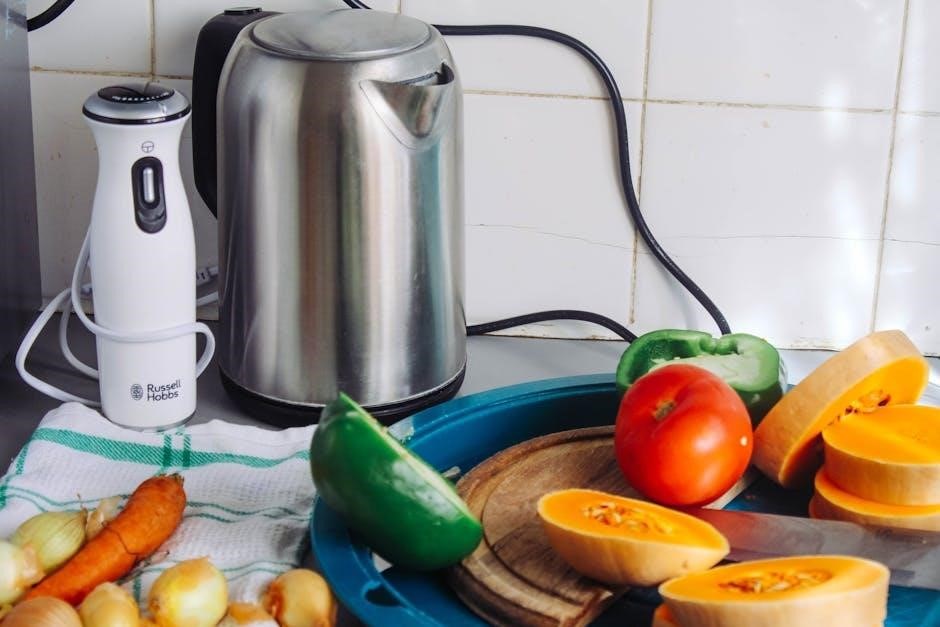
Cleaning and Maintenance
Hand blenders require simple upkeep: disassemble attachments‚ wash with warm‚ soapy water‚ and ensure thorough drying. Proper storage prevents damage and extends lifespan.
Regular cleaning maintains hygiene and optimal performance for consistent results in all your culinary creations.
Disassembly and Washing
Proper disassembly is crucial for effective cleaning. Before washing‚ always unplug your hand blender for safety. Most models allow detachment of the blending shaft and accessories. Gently twist or press release buttons to separate components.
Wash the blending shaft and attachments immediately after use to prevent food from drying and sticking. Use warm‚ soapy water and a soft sponge or brush. Avoid abrasive cleaners that could scratch the surfaces.
The motor housing should only be wiped down with a damp cloth; never immerse it in water. Ensure all parts are thoroughly rinsed and dried before reassembling and storing your hand blender.
Storage Tips
Proper storage extends your hand blender’s lifespan. Ensure all components are completely dry before storing to prevent mold or mildew. Detach the blending shaft and accessories for more compact storage in a drawer or cabinet.
Avoid storing the blender directly on top of other items that could cause damage. Consider using the original packaging or a dedicated storage container to protect it from scratches and dust.
Keep the cord neatly coiled to prevent tangling and potential hazards. Store the blender in a cool‚ dry place away from direct sunlight and extreme temperatures.
Troubleshooting Common Issues
If your hand blender isn’t turning on‚ check the power connection and ensure the outlet is working. For cordless models‚ verify the battery is charged. Overheating can occur with prolonged use; allow it to cool down before resuming.
If the motor struggles‚ reduce the amount of food being processed or add more liquid. Ensure attachments are securely locked into place. Strange noises may indicate a loose part – discontinue use and inspect.
Always unplug the blender before attempting any troubleshooting. If issues persist‚ consult the manufacturer’s guide or seek professional repair.

Hand Blender vs. Other Kitchen Appliances
Hand blenders excel at quick tasks‚ unlike food processors suited for larger volumes. They’re more versatile than mixers for liquids and simpler than grinders.
Offering focused functionality‚ hand blenders provide convenience for pureeing‚ emulsifying‚ and small-batch food preparation directly in cookware.
Hand Blender vs. Food Processor
Hand blenders and food processors‚ while both kitchen workhorses‚ serve distinct purposes. Food processors are ideal for large-scale chopping‚ slicing‚ shredding‚ and dough making‚ handling substantial quantities with ease.
Conversely‚ hand blenders shine in tasks requiring direct immersion‚ like pureeing soups in the pot or creating sauces directly in a pan‚ minimizing transfer and cleanup. They are more compact and efficient for smaller batches.
A food processor’s versatility comes at the cost of size and complexity‚ while a hand blender prioritizes simplicity and focused functionality for everyday tasks.
Hand Blender vs. Mixer
Hand blenders and mixers address different culinary needs. Mixers‚ particularly stand mixers‚ excel at creaming butter and sugar‚ whipping egg whites to stiff peaks‚ and kneading dough – tasks demanding consistent‚ powerful agitation.
Hand blenders‚ however‚ are optimized for blending liquids and semi-solids‚ creating smooth purees‚ emulsifying sauces‚ and quickly combining ingredients directly in a pot or bowl.
While some hand blenders include whisk attachments‚ they generally lack the power and specialized tools of a dedicated mixer for complex baking preparations.
Hand Blender vs. Grinder
Hand blenders and grinders serve distinctly different purposes in the kitchen. Grinders‚ whether blade or burr‚ are specifically designed to pulverize solid ingredients into smaller particles – think coffee beans‚ spices‚ or nuts.
Hand blenders‚ conversely‚ excel at blending liquids and softer solids‚ creating smooth textures and homogenous mixtures. They aren’t suited for effectively grinding hard substances;
Attempting to grind with a hand blender can damage the appliance and yield inconsistent results‚ while a grinder struggles with liquid-based tasks.

Price Range and Budget Considerations
Hand blender prices vary widely‚ from affordable entry-level models around $30 to high-end options exceeding $200‚ depending on features and brand reputation.
Mid-range blenders‚ offering a balance of power and attachments‚ typically fall between $80 and $150‚ catering to most household needs.
Entry-Level Hand Blenders
Entry-level hand blenders represent an accessible starting point for those new to immersion blending‚ typically priced under $50. These models prioritize basic functionality‚ excelling at simple tasks like pureeing soups or quickly mixing small batches of sauces.
While they may lack the extensive features of higher-end options – such as multiple speed settings or numerous attachments – they provide sufficient power for everyday kitchen needs. Expect a corded design and potentially lower wattage compared to premium blenders.
Brands like Hamilton Beach and some Philips models often feature prominently in this price range‚ offering reliable performance for budget-conscious consumers. Durability is generally good for occasional use.
Mid-Range Hand Blenders
Mid-range hand blenders‚ typically costing between $50 and $100‚ strike a balance between affordability and functionality. These models often include several speed settings‚ granting greater control over texture and consistency during food preparation.
You can expect to find basic attachments like a whisk or a small chopper included‚ expanding their versatility beyond simple pureeing. Brands like Philips and Russell Hobbs frequently offer compelling options in this segment.
Construction quality is generally improved‚ offering enhanced durability for more frequent use. Corded designs are common‚ but some cordless options begin to appear within this price bracket.
High-End Hand Blenders
High-end hand blenders‚ exceeding $100 in price‚ represent the pinnacle of performance and features. Braun’s MultiQuick series and KitchenAid’s cordless models often dominate this category‚ boasting powerful motors – frequently over 1000W – for effortless blending.
Expect a comprehensive suite of attachments‚ including whisks‚ choppers‚ mashers‚ and even dough hooks‚ transforming the blender into a multi-functional kitchen assistant.
Advanced features like smart technology and extended battery life (in cordless models) further justify the investment. Premium build quality ensures longevity and a refined user experience.
Safety Precautions
Always unplug the blender before disassembly or cleaning. Avoid immersing the motor housing in water and never operate a damaged appliance.
Prevent overheating by avoiding prolonged continuous use and ensure proper ventilation during operation for safe blending.
Electrical Safety
Prioritize electrical safety when using your manual hand blender. Always inspect the power cord for any damage before each use‚ and never operate the appliance with a frayed or damaged cord.
Ensure the voltage of the blender matches your household electrical supply to prevent malfunctions or hazards. Avoid using extension cords if possible; if necessary‚ use a heavy-duty extension cord.
Never immerse the motor housing in water or any other liquid‚ as this poses a serious electrocution risk. Keep the appliance away from wet surfaces and always dry your hands thoroughly before handling it.
Unplug the blender immediately after use and before cleaning or storing it. Proper electrical safety practices will ensure a long lifespan and prevent accidents.
Proper Handling Techniques
Employ correct handling to maximize your hand blender’s performance and safety. Always hold the blender firmly with both hands during operation‚ maintaining a secure grip for optimal control.
Start at a low speed setting to prevent splashing‚ gradually increasing as needed. Avoid applying excessive pressure when blending‚ allowing the blades to do the work efficiently.
When blending in pots‚ ensure the blender head is fully submerged to avoid splattering; Never operate the blender empty‚ as this can damage the motor and blades.
Lift the blender slightly while running to create a vortex for thorough blending‚ and always switch off and unplug before changing attachments or cleaning.
Avoiding Overheating
Preventing overheating is crucial for extending your hand blender’s lifespan. Avoid continuous operation for extended periods; instead‚ blend in short bursts‚ allowing the motor to rest between uses.
Overloading the blender with too much food at once can strain the motor‚ leading to overheating. Work in smaller batches for optimal performance and to prevent damage.
If the blender begins to smell hot or the motor slows down significantly‚ immediately switch it off and unplug it. Allow it to cool completely before resuming operation.
Ensure proper ventilation around the motor housing during use. Never cover the blender while it’s running‚ as this can trap heat and cause overheating.
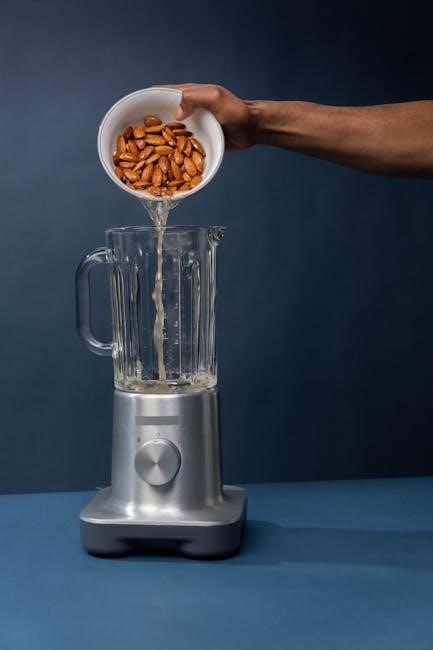
Future Trends in Hand Blender Technology
Smart hand blenders with app connectivity and automated settings are emerging. Improved battery life and enhanced‚ quick-change attachment systems are also anticipated innovations.
Smart Hand Blenders
Smart hand blenders represent a significant leap forward in kitchen technology‚ integrating connectivity and automation for enhanced user experience. These innovative appliances often feature Bluetooth or Wi-Fi capabilities‚ allowing control and customization via smartphone applications.
Users can access pre-programmed settings for various recipes‚ download new blending profiles‚ and even receive guidance during operation. Some models boast voice control integration‚ enabling hands-free operation. Furthermore‚ smart blenders may incorporate sensors to automatically adjust speed and power based on food consistency‚ ensuring optimal results every time.
This trend signifies a move towards more intelligent and intuitive kitchen appliances‚ simplifying cooking processes and empowering users with greater control.
Improved Battery Technology
Cordless and rechargeable hand blenders are rapidly benefiting from advancements in battery technology. Lithium-ion batteries are becoming increasingly prevalent‚ offering higher energy density‚ faster charging times‚ and extended runtimes compared to older nickel-cadmium alternatives.
Manufacturers are focusing on optimizing battery management systems to maximize efficiency and prolong battery lifespan. Expect to see cordless hand blenders capable of handling demanding tasks for longer periods on a single charge.
These improvements are crucial for enhancing the convenience and versatility of cordless models‚ making them a viable option for users seeking untethered blending power.
Enhanced Attachment Systems
Hand blender manufacturers are innovating attachment systems for greater versatility and ease of use. Newer models feature quick-release mechanisms‚ allowing for seamless switching between whisks‚ choppers‚ and mashing attachments.
Improved locking mechanisms ensure secure attachment during operation‚ preventing slippage or detachment during blending. Expect to see more robust and durable attachments designed to withstand frequent use and diverse ingredients.
Universal attachment compatibility across different brands is a potential future trend‚ offering consumers greater flexibility and reducing the need for multiple appliance purchases.