
Understanding horse bits is crucial for effective communication and comfortable riding; this guide simplifies the vast world of bits for both disciplines.
Bits enable riders to gently guide and control their equine partners, influencing direction and speed through subtle cues – a fundamental aspect of horsemanship.
What is a Horse Bit?
A horse bit is a crucial component of the bridle, the headgear used to steer and control a horse. Essentially, it’s a metal or synthetic device placed within the horse’s mouth, connecting to the reins held by the rider. This connection allows the rider to transmit signals – subtle pressures – to the horse, influencing its direction, speed, and overall movement.
Historically, bits evolved from simple ropes to sophisticated designs, each impacting the horse differently. The bit acts upon pressure points within the mouth – the bars of the mouth, the tongue, and the corners – to communicate the rider’s intentions. Understanding how a bit works is paramount before selecting one, as different designs exert varying levels of pressure and influence.
The Importance of Bit Selection
Choosing the right bit is paramount for both horse comfort and effective communication. A poorly selected bit can cause discomfort, resistance, or even pain, hindering the horse’s ability to respond correctly to the rider’s aids. Conversely, a well-fitted and appropriate bit fosters a willing partnership and clear communication.
Factors influencing bit selection include the horse’s age, training level, temperament, and discipline. A young or inexperienced horse typically benefits from a milder bit, like a snaffle, while a more seasoned horse might respond well to a bit with more leverage. It’s crucial to prioritize the horse’s well-being and avoid using a bit that is unnecessarily severe.
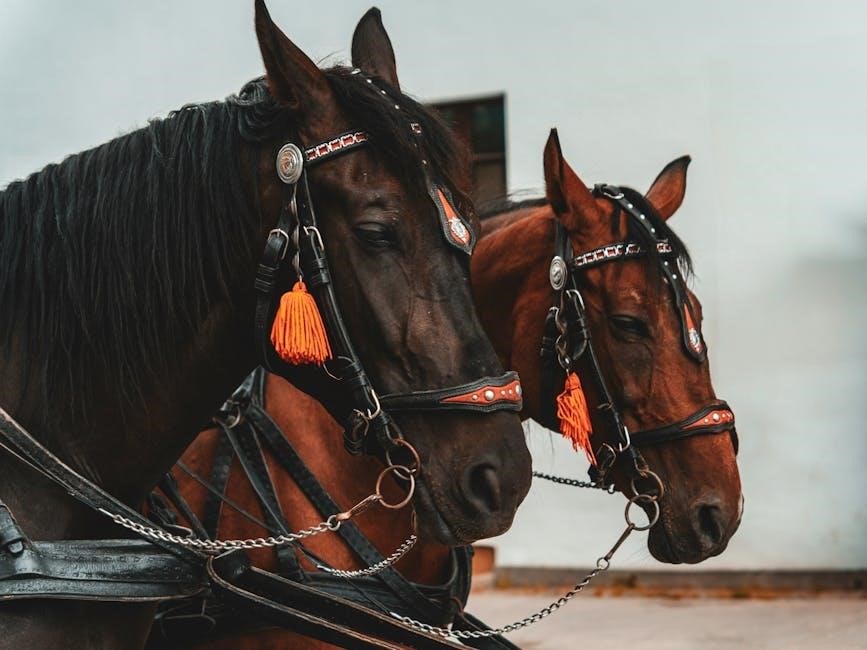
Types of Snaffle Bits
Snaffle bits are direct-pressure, commonly used for training and everyday riding, offering gentle control through pressure on the bars of the horse’s mouth.
Loose Ring Snaffle
The loose ring snaffle is a popular choice, known for its mild action and forgiving nature, making it suitable for horses in early training or those with sensitive mouths. The rings are not fixed, allowing for independent movement and encouraging the horse to soften and seek the bit.

This independent movement can also provide a more subtle signal to the horse, as the bit isn’t constantly pulling. However, some horses may play with the bit excessively due to the freedom of movement. It’s a versatile option often favored by riders seeking a gentle and communicative connection with their horse, promoting relaxation and encouraging a soft poll.
D-Ring Snaffle
The D-ring snaffle offers a step up in stability from the loose ring, featuring rings that are fixed to the bit’s cheeks. This provides a more direct rein aid, offering clearer communication without being overly harsh. It’s a good choice for horses that need a bit more guidance or those who tend to lean on the bit.
The fixed rings prevent the bit from sliding as much, offering a more consistent feel. D-rings are often preferred by riders who want a balance between clear signals and a comfortable experience for the horse, making it a versatile option for various disciplines and training levels.
Eggbutt Snaffle
The eggbutt snaffle is known for its gentle action and is often favored for horses with sensitive mouths. Its smooth, rounded rings minimize pressure points and encourage a softer, more accepting response to the rein aids. This bit encourages the horse to stretch forward and down, promoting a relaxed and comfortable frame.
Eggbutt snaffles are particularly well-suited for young horses or those in early stages of training, as they prioritize comfort and encourage a positive association with the bit. The lack of sharp angles or leverage makes it a forgiving option, fostering trust and willingness in the horse.
Baucher Snaffle
The Baucher snaffle features a unique design with a fixed, middle ring that applies a lifting action when the reins are engaged. This encourages the horse to elevate its head and neck, promoting a more collected and balanced posture. It’s considered a step up in severity from a loose ring or eggbutt, offering more defined communication.
Baucher bits are often used for horses that need encouragement to engage their hindquarters and lift their backs. The fixed middle ring prevents the bit from sliding too freely, providing a more consistent contact; However, it requires a skilled rider to avoid harshness, as improper use can cause discomfort.
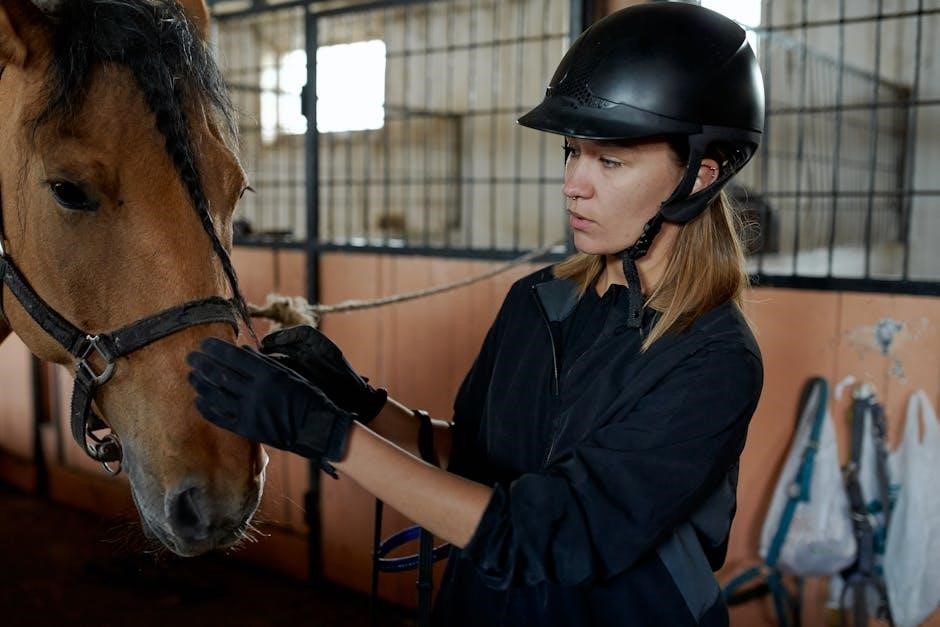
Leverage Bits: An Overview
Leverage bits utilize shanks to amplify rein aids, offering increased control; these bits require experienced riders due to their potential for greater pressure.
Myler Bits
Myler bits are a popular choice within the leverage category, known for their independent side action and focus on poll and curb pressure. Unlike traditional leverage bits, Myler designs often feature multiple joints and varying shank lengths to customize the bit’s effect.
These bits aim to distribute pressure more evenly across the horse’s head, potentially reducing discomfort and encouraging a softer response. They are frequently used in disciplines like reining, cutting, and ranch riding, where precise control is essential.
Selecting the correct Myler bit involves considering the horse’s sensitivity, training level, and the rider’s experience. Different mouthpieces and shank configurations cater to diverse needs, making careful consideration vital for optimal performance and equine welfare.
Tom Thumb Bits
Tom Thumb bits represent a severe form of leverage, characterized by very short shanks and a direct, often uncompromising, action. These bits exert significant poll and curb pressure with minimal rein movement, demanding a highly skilled and sensitive rider to avoid causing discomfort.
Historically used for controlling strong-willed horses or those requiring immediate, decisive correction, Tom Thumb bits are now less common due to concerns about potential misuse. Their powerful action necessitates a horse that is already well-trained and responsive to subtle cues.

Due to their severity, Tom Thumb bits should only be considered under the guidance of an experienced trainer, ensuring the horse’s welfare and preventing unintended pain or resistance.

S-Bar Bits
S-Bar bits are a type of leverage bit, distinguished by their unique S-shaped shanks which provide a sliding action and multiple pressure points. This design amplifies rein aids, applying pressure to the poll, palate, and chin groove simultaneously, offering a complex level of control.
The sliding action of the S-Bar encourages the horse to self-carry and seek the bit, potentially improving collection and responsiveness. However, this complexity also means they require a skilled rider to interpret the horse’s reactions accurately and avoid over-correction.
S-Bar bits are often favored in disciplines requiring precise maneuvers and a high degree of control, but careful consideration of the horse’s training and sensitivity is essential.
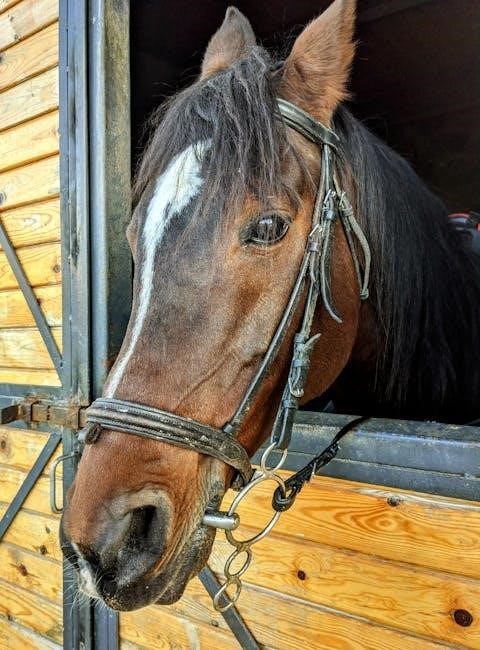
Western Bit Types
Western riding utilizes bits designed for neck reining and subtle cues, including Curry, Flower, and Bosal bits, each offering varying degrees of control.
Curry Bit
The Curry bit is a classic Western bit, known for its mild action and suitability for horses needing a softer approach. It features a fixed, slightly curved mouthpiece, often with a copper or sweet iron inlay to encourage acceptance. This bit primarily applies pressure to the bars of the mouth, offering a gentle communication method.
Curry bits are frequently chosen for horses in training or those sensitive to stronger bit actions. They are not designed for aggressive pulling or harsh corrections, but rather for subtle guidance and encouragement. The shanks are typically short and slightly curved, contributing to the bit’s mildness. Riders often pair Curry bits with curb chains to refine the signal and enhance control, making it a versatile option for various Western disciplines.
Flower Bit
The Flower bit, another Western style, is characterized by its decorative, often floral-patterned, cheekpieces. While visually striking, its function extends beyond aesthetics; it’s designed to offer a moderate level of control. Typically featuring a curb chain, the Flower bit applies pressure to both the bars of the mouth and the poll, providing a more nuanced communication system.
This bit is often favored by riders seeking a step up from a simpler snaffle but aren’t ready for a more severe leverage bit. The floral designs don’t affect the bit’s action, but contribute to its distinctive appearance. Flower bits are commonly used in ranch riding, trail riding, and pleasure classes, offering a balance between control and comfort for the horse.
Bosal
The Bosal represents a bitless bridle system deeply rooted in Western riding traditions, particularly within the Vaquero style. It consists of a braided rawhide noseband – the bosal – that applies pressure to the horse’s nose, rather than the mouth, for steering and control. A mecate rein, also made of rawhide, is used for communication, offering a direct connection.
Bosals are favored for their gentle approach to training young horses and for riders who prefer a bitless option. Skilled riders can achieve precise control through subtle rein movements and body language. The bosal’s effectiveness relies heavily on proper fit and the rider’s finesse; it’s not a “quick fix” but a refined method of horsemanship emphasizing partnership and responsiveness.

Specialty Bits
Specialty bits offer unique solutions for specific training needs or horse sensitivities, often combining features from snaffles and leverage bits for nuanced control.
Pelham Bit
The Pelham bit is a versatile, single-rein bit that combines aspects of both snaffle and curb actions, offering a moderate level of control. It features shanks with slots for two reins – one acting directly on the mouth like a snaffle, and the other applying leverage.
This dual action allows for a range of signals, making it suitable for horses that require a bit more guidance than a simple snaffle provides, but aren’t quite ready for a full curb bit. Pelhams are often used in jumping and eventing, offering a balance between control and communication.
However, due to its potential for increased severity, careful and experienced handling is essential. Correct rein placement and a soft hand are crucial to avoid causing discomfort or confusion to the horse.
Kimblewick Bit
The Kimblewick bit is a popular leverage bit often used as a step up from a Pelham, offering increased control with a relatively mild action. It features longer shanks than a Pelham, amplifying the rein aids, but still allows for a direct snaffle action when the lower rein is used.
Typically, a Kimblewick is ridden with two reins, similar to a Pelham, providing versatility in signaling. It’s frequently chosen for horses needing more precise guidance, particularly in disciplines like dressage and jumping, where subtle communication is key.
Like all leverage bits, a skilled rider is essential to avoid harshness, ensuring a soft hand and clear signals for a comfortable experience for the horse.
Dr. Bristol Bit
The Dr. Bristol bit is a specialized leverage bit known for its unique ported design and its ability to apply pressure to the poll, palate, and chin groove. This bit is often used for horses that overbend their necks or avoid responding to the rider’s cues, aiming to encourage self-carriage and a more balanced frame.
It’s considered a more severe bit and requires an experienced rider with a sensitive and understanding hand. Due to its strong action, it’s crucial to introduce it gradually and monitor the horse’s response closely.
Proper fitting and careful use are paramount to avoid discomfort or injury.

Bit Severity and Horse Sensitivity
Bit action varies greatly; understanding how each bit functions and matching it to your horse’s temperament is vital for comfortable, effective communication.
Understanding Bit Action
Bit action refers to how a bit applies pressure to a horse’s mouth, influencing its response. Snaffle bits primarily apply direct pressure on the bars of the mouth, encouraging flexion and yielding. Leverage bits, however, utilize shanks to amplify this pressure, impacting the poll, chin, and bars simultaneously.
The length of the shanks significantly affects the severity; longer shanks create more leverage. Different bit designs – like loose ring or D-ring snaffles – alter the pressure distribution. A horse’s sensitivity dictates the appropriate bit; a gentle horse may respond well to a mild snaffle, while a stronger horse might require a bit with more leverage for clear communication. Always consider the horse’s experience and training level when selecting a bit.
Matching Bit to Horse Temperament
Selecting the right bit hinges on understanding your horse’s personality and responsiveness. A sensitive or anxious horse benefits from a milder bit, like a loose ring snaffle, minimizing discomfort and encouraging relaxation. Conversely, a bolder or more challenging horse may require a bit with more defined action to establish clear communication.
Consider the horse’s training level; a novice horse needs a bit that’s easy to understand, while an experienced horse can handle more nuanced cues. Arabian crosses, known for sensitivity, often thrive with gentle bits. Matching the bit to temperament fosters trust and prevents resistance, ultimately enhancing the riding experience and ensuring the horse’s well-being.
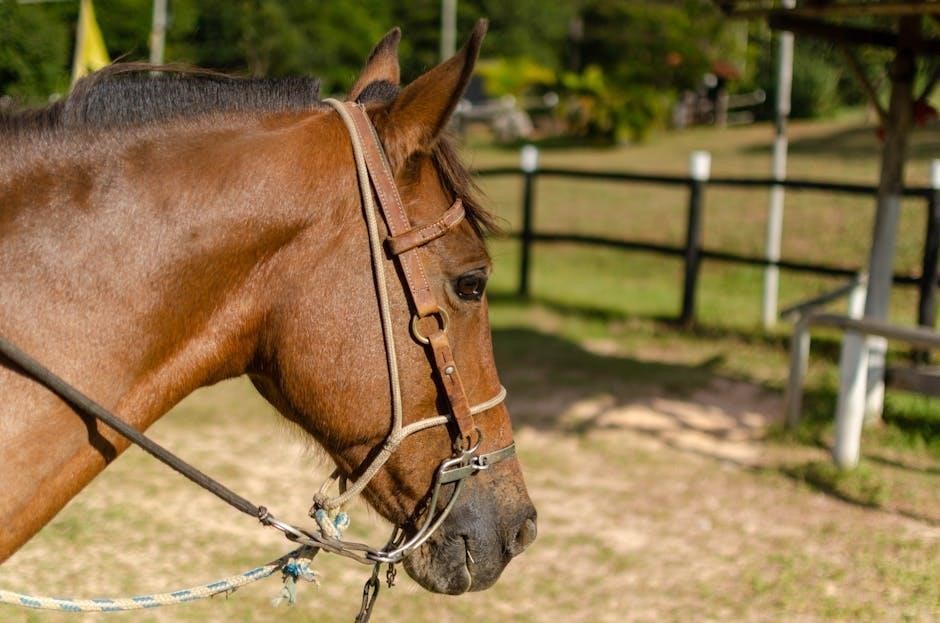
Bit Materials and Construction
Bits are commonly crafted from stainless steel or sweet iron, each offering distinct properties impacting taste, corrosion resistance, and overall horse acceptance.
Stainless Steel Bits
Stainless steel bits are a popular choice due to their durability, low maintenance, and resistance to corrosion. They don’t rust easily, making them suitable for various weather conditions and consistent use. While initially feeling colder in the horse’s mouth compared to sweet iron, stainless steel bits don’t encourage salivation as much.
They are a good option for horses that don’t readily accept a bit or those with a tendency to “play” with the bit, as the lack of taste discourages constant mouthing. Different grades of stainless steel exist, with some offering greater strength and a more polished finish. These bits are often a cost-effective and reliable option for everyday riding.
Sweet Iron Bits
Sweet iron bits are favored for encouraging acceptance and a softer feel in the horse’s mouth. The iron oxidizes when exposed to moisture, creating a sweet taste that encourages salivation, leading to a more relaxed jaw and improved bit contact. This oxidation process results in a rust-like appearance, which is normal and doesn’t affect the bit’s integrity.
Many horses willingly accept sweet iron bits, making them a good choice for training or horses sensitive to the bit. Regular cleaning is still important, though the oxidation is a natural part of the bit’s function. They are often preferred by riders seeking a more communicative and comfortable experience for their horse.